A bright smile is often seen as a sign of confidence and good health. It’s no surprise that teeth whitening is one of the most requested cosmetic dental treatments. From store shelves filled with whitening products to countless DIY remedies online, patients often wonder which options actually work—and which are more hype than help.
At Forest Hills Family Dentistry in Cincinnati, OH, we often hear questions about whitening treatments, their safety, and their effectiveness. Let’s separate fact from fiction and explore what truly works when it comes to brightening your smile.
Why Teeth Discolour Over Time
Before diving into teeth whitening solutions, it’s helpful to understand why teeth lose their natural brightness. Common causes include:
-
Food and drinks such as coffee, tea, wine, and dark-colored sauces
-
Tobacco use which can leave stubborn surface stains
-
Aging that naturally thins enamel and reveals the yellowish dentin underneath
-
Medications like certain antibiotics that affect tooth color
-
Poor oral hygiene which can allow plaque and tartar buildup
Knowing the cause helps determine which whitening approach may be most effective.
What Actually Works for Teeth Whitening
When it comes to proven methods, these options consistently deliver results:
1. Professional In-Office Whitening
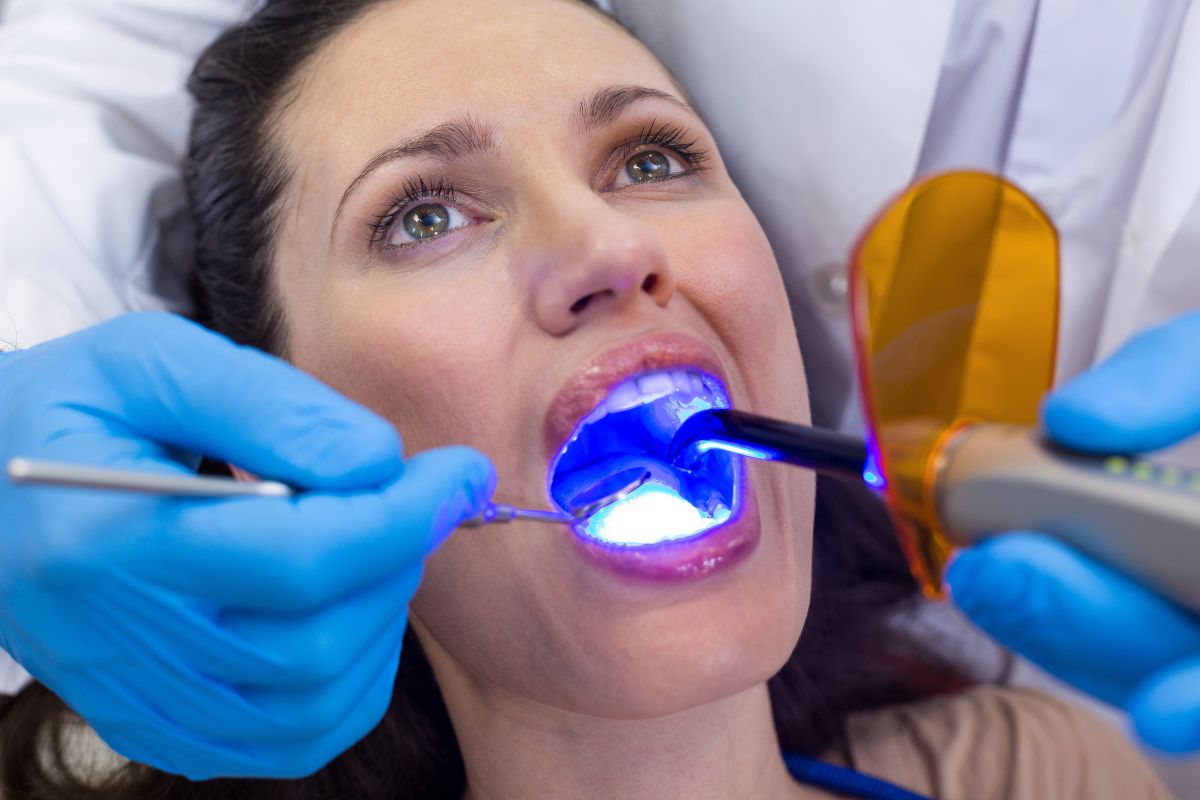
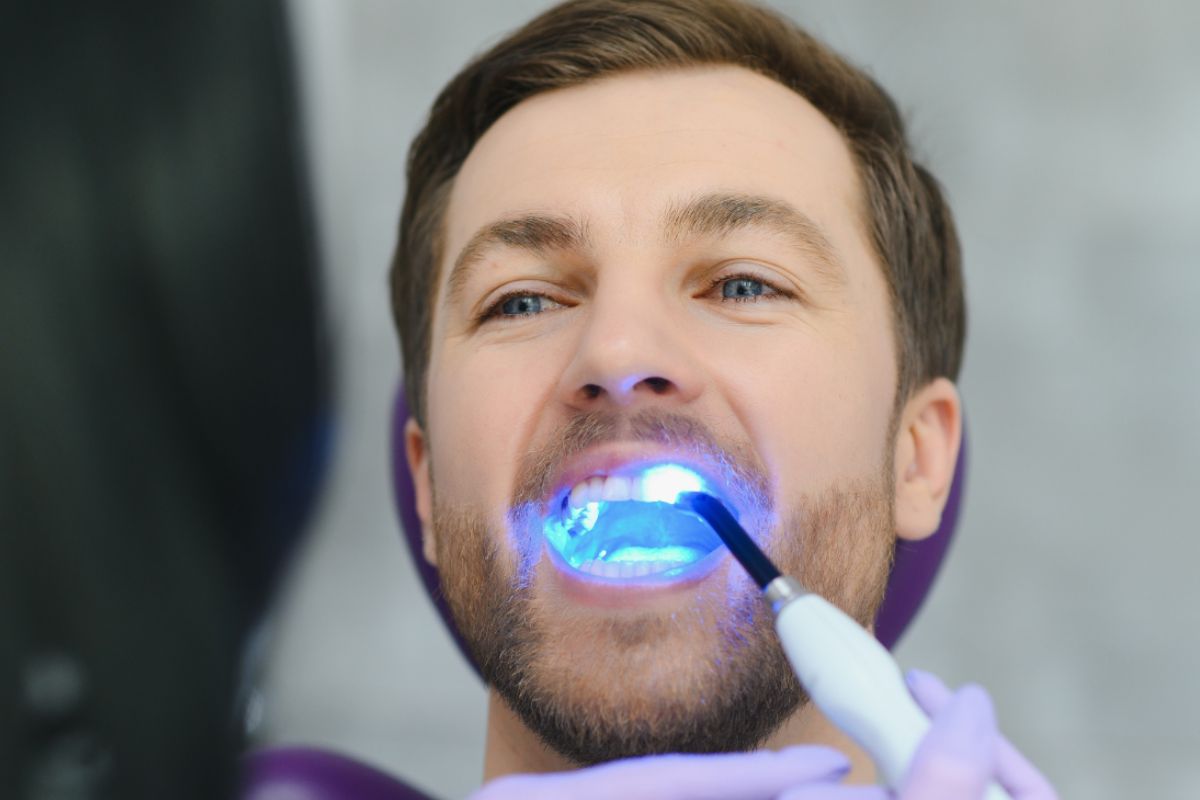
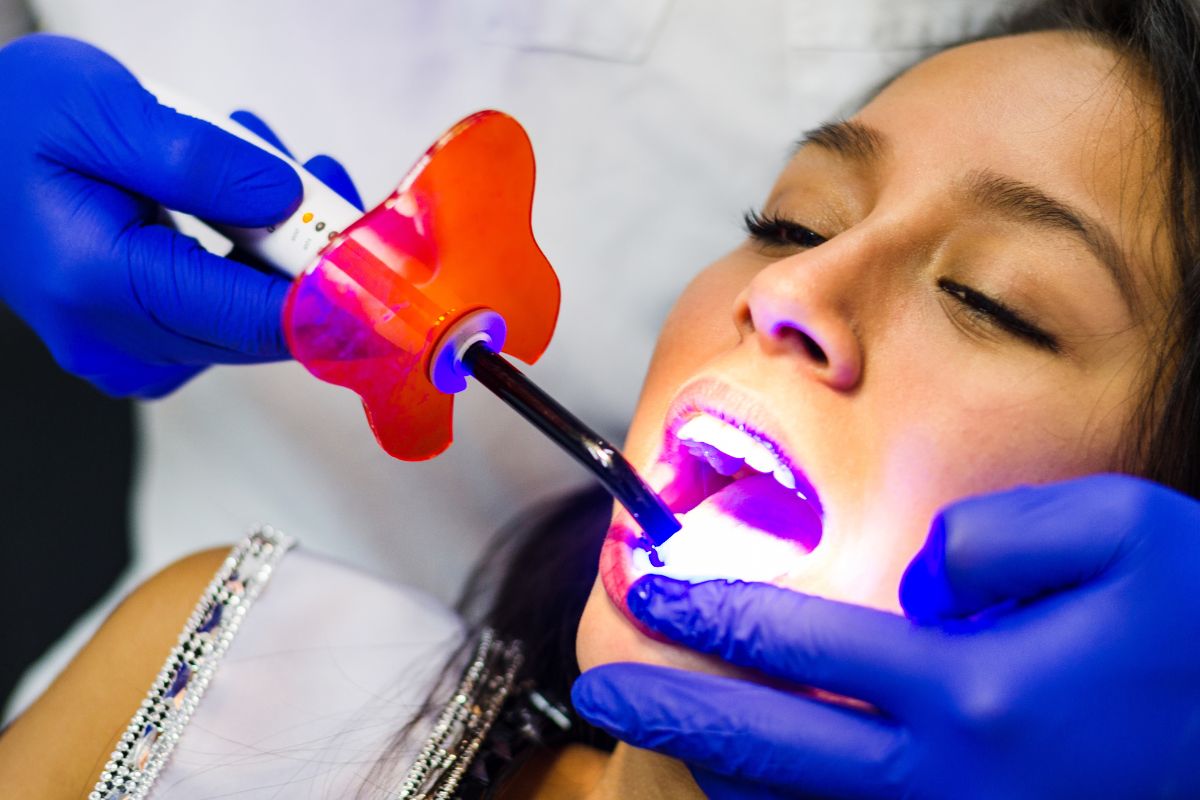
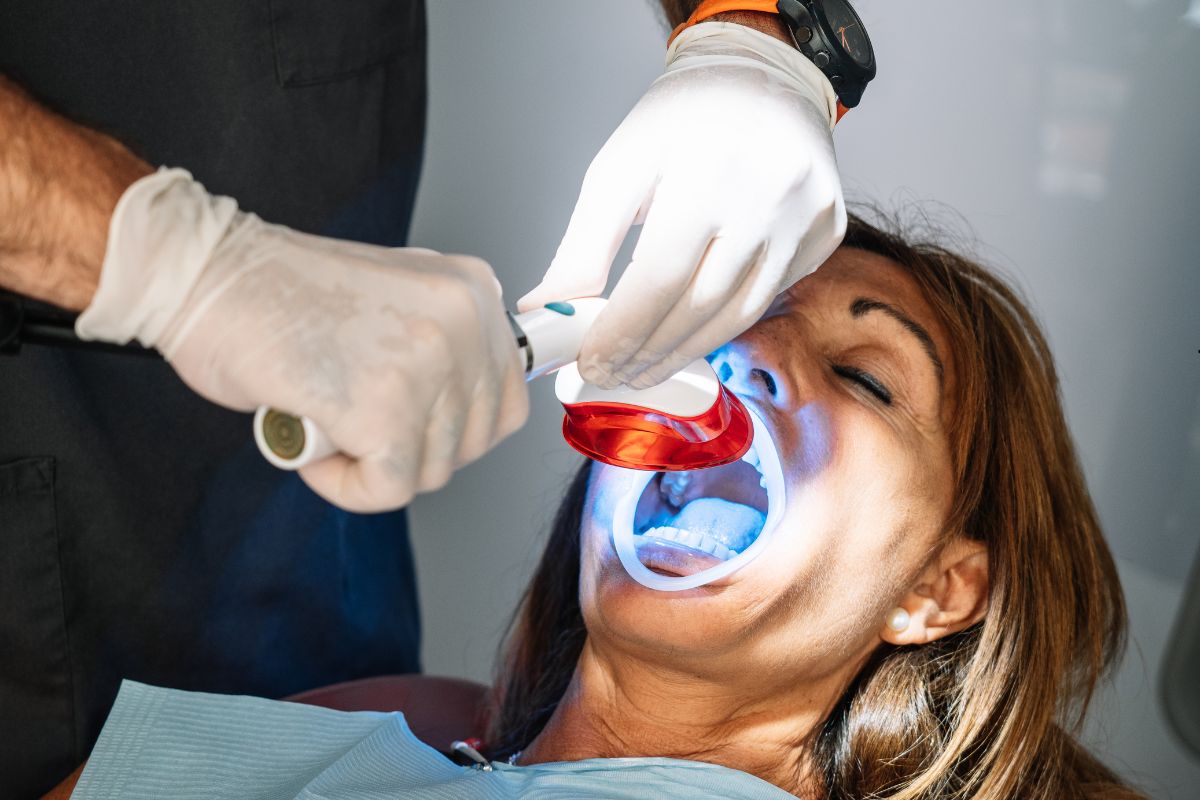
Performed by a cosmetic dentist in Cincinnati, this treatment uses professional-grade whitening agents and advanced technology to achieve noticeable results in a single visit. Patients often see teeth lighten several shades, making this one of the most effective and safest methods.
2. Custom Take-Home Whitening Kits
Unlike over-the-counter trays, dentist-provided kits are designed specifically for your teeth. They use professional whitening gels and custom-fitted trays for even results, typically noticeable within one to two weeks.
3. Whitening Toothpaste and Mouthwash (for Maintenance)
While not strong enough to whiten deeply, these products can help maintain results after professional treatments by reducing surface stains.
What Doesn’t Work (or Delivers Minimal Results)
Many popular trends and products promise dramatic whitening but fall short:
-
DIY Remedies (like baking soda, lemon juice, or charcoal): These can be abrasive, damaging enamel without significant whitening.
-
Over-the-Counter Whitening Strips and Gels: While they may lighten teeth slightly, results are often uneven and short-lived.
-
Whitening Pens: Convenient for touch-ups, but not effective for long-term whitening.
-
Natural Whitening Fads: Oil pulling or fruit peels have little to no scientific backing and may harm enamel.
Safety Considerations
Not every whitening method is suitable for everyone. Patients with sensitive teeth, gum disease, or restorations like crowns and veneers may need a tailored approach. Professional supervision ensures both safety and effectiveness while avoiding unnecessary risks.
How to Maintain a Whiter Smile
Once you’ve achieved your desired shade, maintaining results is key. Simple habits can help:
-
Limit staining foods and drinks or rinse afterward
-
Quit smoking or tobacco use
-
Brush and floss regularly to prevent plaque buildup
-
Schedule routine dental cleanings for long-term oral health
Conclusion
The truth is that not all whitening methods deliver the results they promise. While DIY tricks and over-the-counter products may provide minor improvements, professional treatments remain the most reliable, safe, and long-lasting solution.
If you’re considering teeth whitening in Cincinnati, the team at Forest Hills Family Dentistry can guide you toward the best option for your smile. Schedule a consultation today to learn what works for your unique needs and enjoy a brighter, more confident smile.