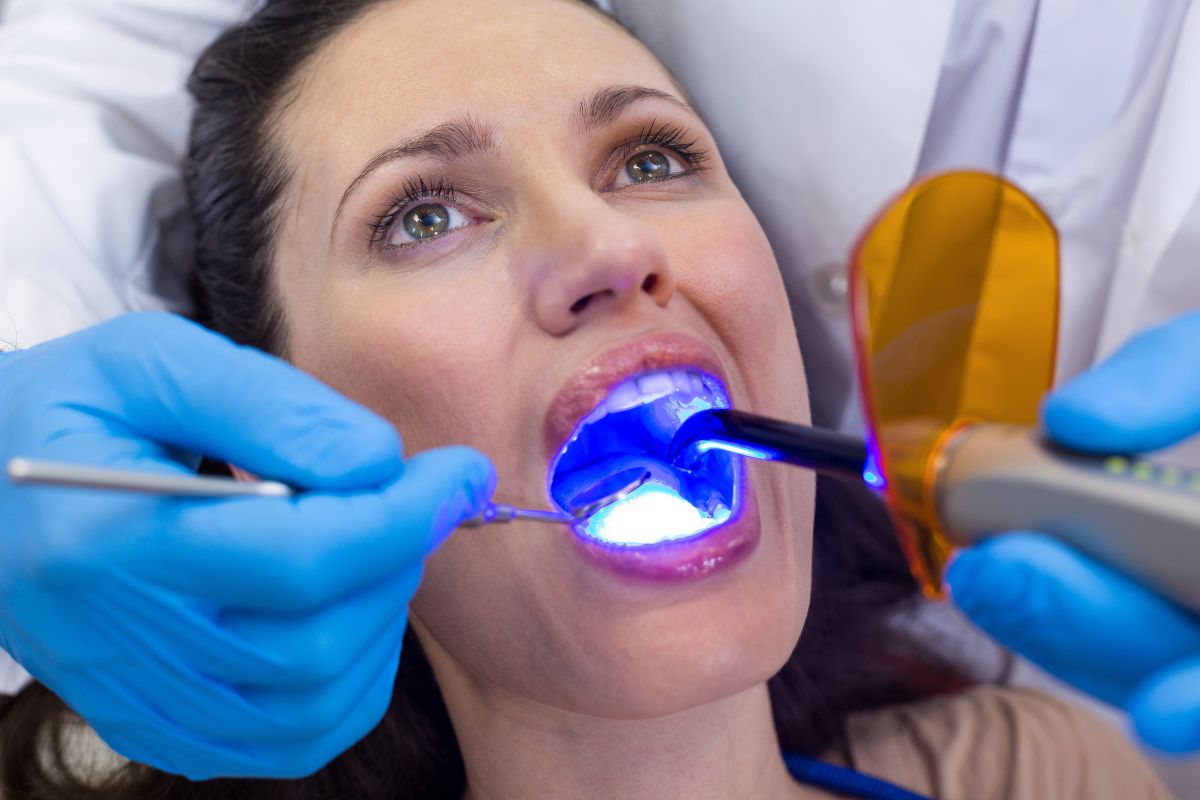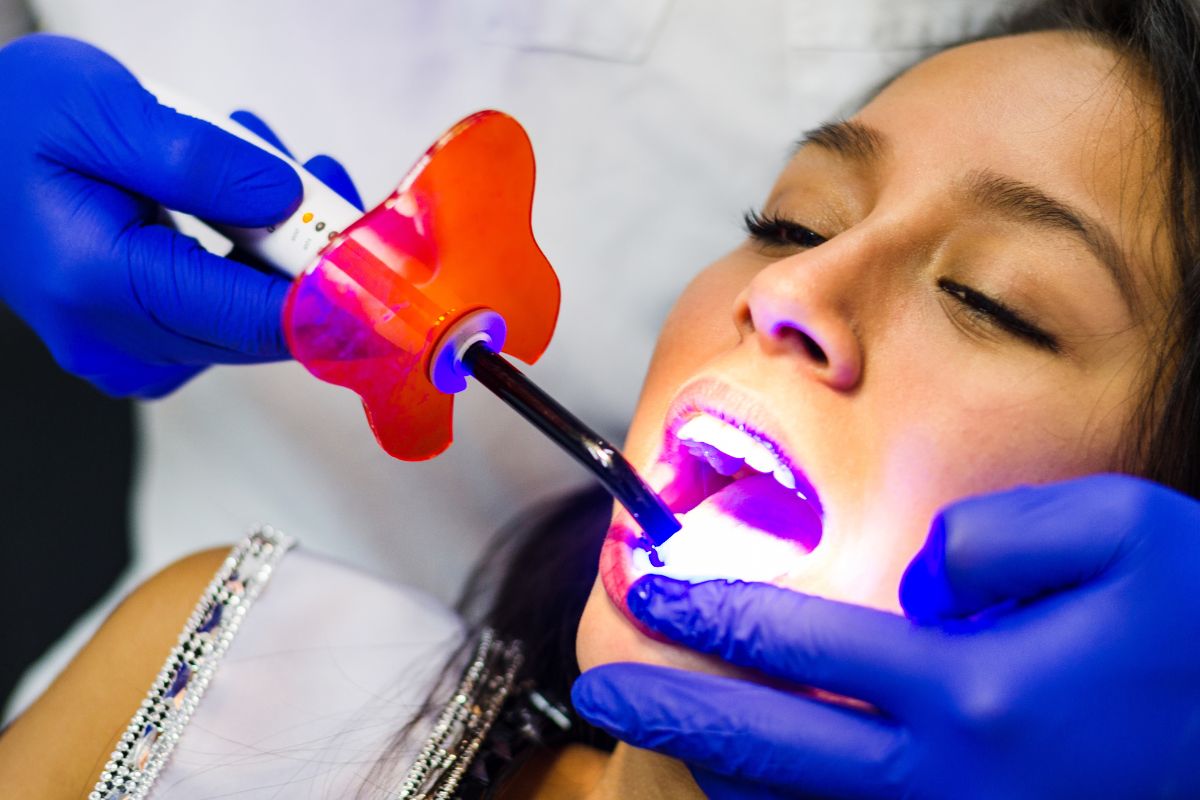
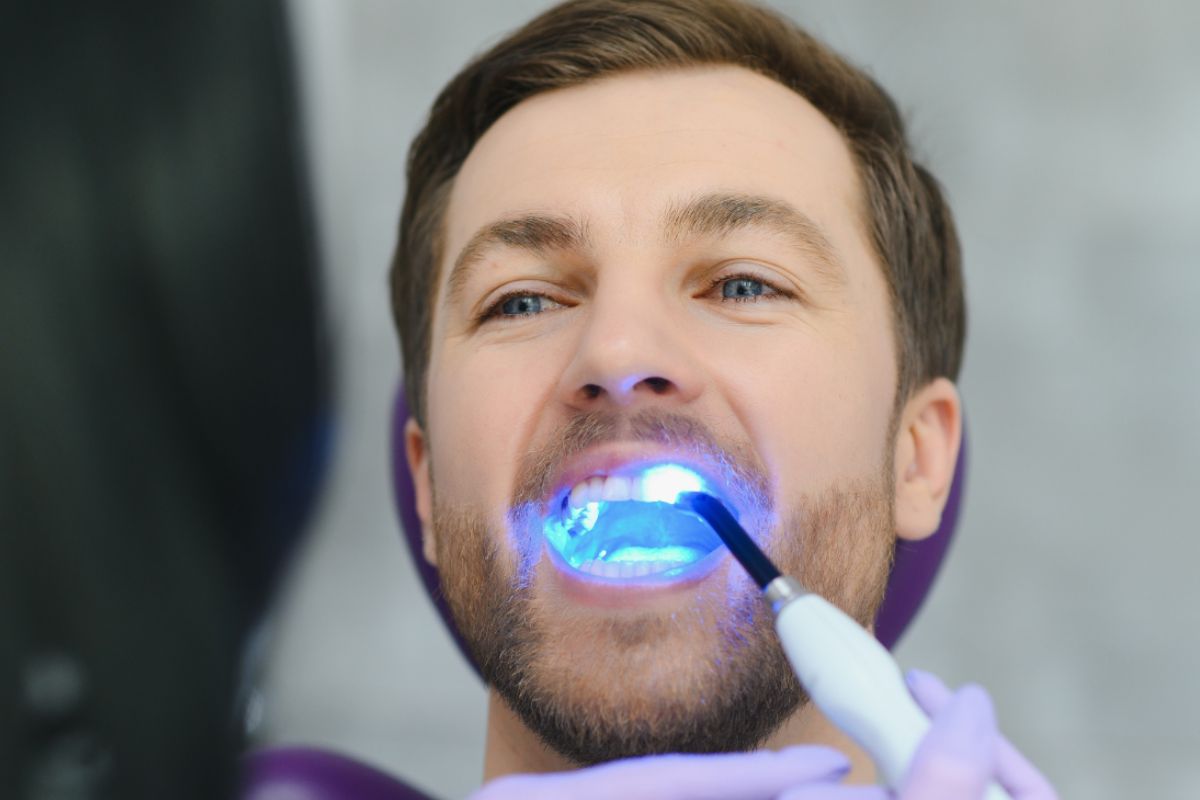
Worried your brighter smile might come at a cost?
You’re not alone. A lot of people in Cincinnati hesitate before teeth whitening because they’ve heard scary things—“It ruins enamel,” “It makes teeth permanently sensitive,” or “DIY kits are safer than the dentist.”
Here’s the truth: most of these are myths. When done correctly, modern whitening is designed with teeth whitening safety in mind—and your enamel can stay strong and healthy.
Let’s break down what’s real, what’s not, and how to whiten your teeth without damaging your smile.
The Real Concern: Can Whitening Damage Enamel?
Short answer: No—when done properly, it does NOT damage enamel.
Teeth whitening works by using safe bleaching agents (like hydrogen peroxide) that lift stains from inside the tooth, not by scraping or thinning enamel.
Your enamel remains intact.
But—and this is important—improper use (especially overuse of DIY products) can lead to temporary issues like sensitivity or gum irritation.
Why This Matters More Than You Think
Your enamel is your tooth’s natural shield. Once it’s gone, it doesn’t grow back.
That’s why understanding enamel safety whitening is critical—not just for looks, but for long-term oral health.
If you:
- Have an upcoming wedding, job interview, or event
- Feel self-conscious about stained teeth
- Want fast results without risk
Then making the right whitening choice matters.
Common Whitening Myths (That Need to Go)
Myth #1: Whitening strips enamel away
Fact: Whitening doesn’t remove enamel—it targets stains beneath it.
Myth #2: Stronger products = better results
Fact: Overusing strong products can irritate teeth and gums without improving results.
Myth #3: Whitening causes permanent sensitivity
Fact: Sensitivity is usually temporary and manageable with proper care.
Myth #4: Natural remedies are safer
Fact: Lemon juice, charcoal, and baking soda can be more damaging than professional whitening.
So What Actually Causes Problems?
Even though whitening itself is safe, how you do it makes all the difference.
Risks of Improper Whitening:
- Overuse of whitening strips or gels
- Using unregulated online products
- Whitening with untreated cavities or gum disease
- Skipping professional evaluation
These can lead to:
- Tooth sensitivity
- Gum irritation
- Uneven whitening results
The Safe Way to Whiten Your Teeth
If you want real results without risk, here’s what works:
Professional evaluation first
A dentist checks for cavities, enamel wear, or gum issues before whitening.
Controlled whitening strength
In-clinic and dentist-approved kits use safe, regulated concentrations
Customized approach
Your teeth aren’t the same as anyone else’s—your whitening shouldn’t be either.
Why Professional Whitening Feels Different
At a trusted local dental clinic like Forest Hills Family Dentistry in Cincinnati, whitening isn’t just cosmetic—it’s medically guided.
That means:
- Protection for enamel and gums
- Faster, more even results
- Reduced sensitivity
- Long-lasting brightness
When You Should Be Extra Careful
Whitening may need adjustments if you:
- Have thin enamel
- Experience chronic tooth sensitivity
- Have dental restorations (crowns, veneers, fillings)
- Are dealing with gum recession
In these cases, a dentist can recommend safer alternatives or modified treatments.
Want Whiter Teeth Without the Guesswork?
If you’re tired of second-guessing products or worrying about damage, this is where expert care makes all the difference.
Call Forest Hills Family Dentistry today to talk about safe whitening options or schedule your consultation online to get a personalized plan
You’ll get clarity, comfort, and a brighter smile—without risking your enamel.
How Whitening Fits Into Your Overall Smile Care
Teeth whitening works best when combined with good oral health habits and supportive treatments.
You may also want to explore:
- Preventive cleanings (to remove surface stains)
- Cosmetic dentistry options for deeper discoloration
- Related services like smile makeovers or dental bonding
These approaches ensure your results look natural and last longer.
Teeth Whitening Safety: What You Should Remember
- Whitening does not damage enamel when done correctly
- Most side effects are temporary and manageable
- DIY shortcuts can increase risks
- Professional care gives predictable, safe results
FAQs About Whitening & Enamel Safety
1. Is teeth whitening safe for enamel?
Yes. Professional and dentist-approved whitening methods are designed to protect enamel while removing stains.
2. Why do my teeth feel sensitive after whitening?
Whitening temporarily opens microscopic pores in teeth. Sensitivity usually fades within a few days.
3. Can I whiten my teeth if I already have sensitive teeth?
Yes—but you’ll need a customized approach with lower-strength products and guidance.
4. Are over-the-counter kits safe?
Some are safe if used correctly, but misuse or overuse can lead to irritation and uneven results.
5. Does whitening weaken teeth over time?
No. It does not weaken tooth structure when done properly and not overused.
6. How often should I whiten my teeth?
It depends on your needs. A dentist can recommend a safe schedule based on your enamel condition.
7. Is natural whitening safer than professional treatment?
Not always. Many “natural” methods are abrasive or acidic and can damage enamel.
8. What’s the safest way to get noticeable results?
A professionally guided whitening plan—either in-clinic or dentist-supervised at home.
Ready for a Brighter Smile Without the Risk?
You don’t have to choose between white teeth and healthy enamel—you can have both.
If you’re in Cincinnati or nearby areas, Forest Hills Family Dentistry can help you whiten safely, comfortably, and confidently.
Call now to speak with the team or book your appointment today and take the first step toward a brighter, safer smile