You whitened your teeth, loved the results for about a week, and then watched that bright, camera-ready smile start to fade faster than you expected. If that sounds familiar, you’re not imagining things, and you’re definitely not alone.
Most people assume fading whitening results just means their teeth are “resistant” or that the product wasn’t strong enough. In reality, one small, easy-to-miss whitening mistake is usually the real reason results don’t last. Once you understand what it is, protecting your investment in a brighter smile gets a lot simpler.
At Forest Hills Family Dentistry in Cincinnati, we hear versions of this story often from patients who tried teeth whitening on their own before coming in for a checkup. Here’s what’s actually going wrong, why it matters more than most people realize, and how a Cincinnati cosmetic dentist helps you fix it for good.
The Whitening Mistake Almost Everyone Makes
The single biggest whitening mistake teeth run into isn’t a weak gel or a cheap kit. It’s timing. Most people whiten right after eating, drinking coffee or wine, or brushing too aggressively beforehand, without realizing how much that affects how the whitening agent bonds to enamel.
Why Timing Trips People Up
Whitening gel needs a clean, dry surface to work evenly. When food particles, plaque, or dark pigments are still sitting on the tooth surface, the gel bonds unevenly. That’s why so many people end up with patchy results, or a bright smile that fades within a couple of weeks instead of a couple of months.
| Did You Know? Enamel is porous, which is exactly why whitening works but it’s also why timing and technique matter so much. Whitening over residue or right after acidic foods can affect how evenly the gel absorbs. |
Why This Mistake Matters More Than You Think
A fading whitening job isn’t just disappointing. It usually means you’re spending money on strips, pens, or kits more often than you need to, without ever getting the long-lasting brightness you’re after. Over time, that adds up, both in cost and in frustration.
There’s also a confidence piece here. Your smile shows up in every photo, every first impression, and every conversation. When results fade unevenly, some teeth stay bright while others slip back toward yellow, and that mismatch is often more noticeable than not whitening at all.
The Hidden Risks of Getting Whitening Wrong
Beyond uneven color, whitening the wrong way, or whitening over problems that haven’t been checked, can create risks most people don’t think about until it’s too late:
- Sensitivity spikes: Whitening over tooth decay or a cracked tooth can cause sharp sensitivity or pain that lingers for days.
- Gum irritation: Whitening trays that don’t fit well let gel touch the gum line, which can irritate soft tissue, especially if gum disease is already present.
- Mismatched restorations: Existing crowns or fillings don’t respond to whitening gel the way natural enamel does, which can leave your smile looking two different shades.
- Masking bigger issues: Repeated over-the-counter whitening without a checkup can mask early tooth decay or bite alignment issues that need attention.
None of this means whitening is a bad idea. It means whitening works best, and lasts longest, when it’s done with a plan built around your actual oral health, not a one-size-fits-all box from the store.
If you’ve ever worried that whitening might weaken your teeth, we separate myths from facts in our article “Does Teeth Whitening Damage Enamel? Myths, Facts & How to Keep Your Smile Safe.“
The Professional Fix: How It’s Done Right
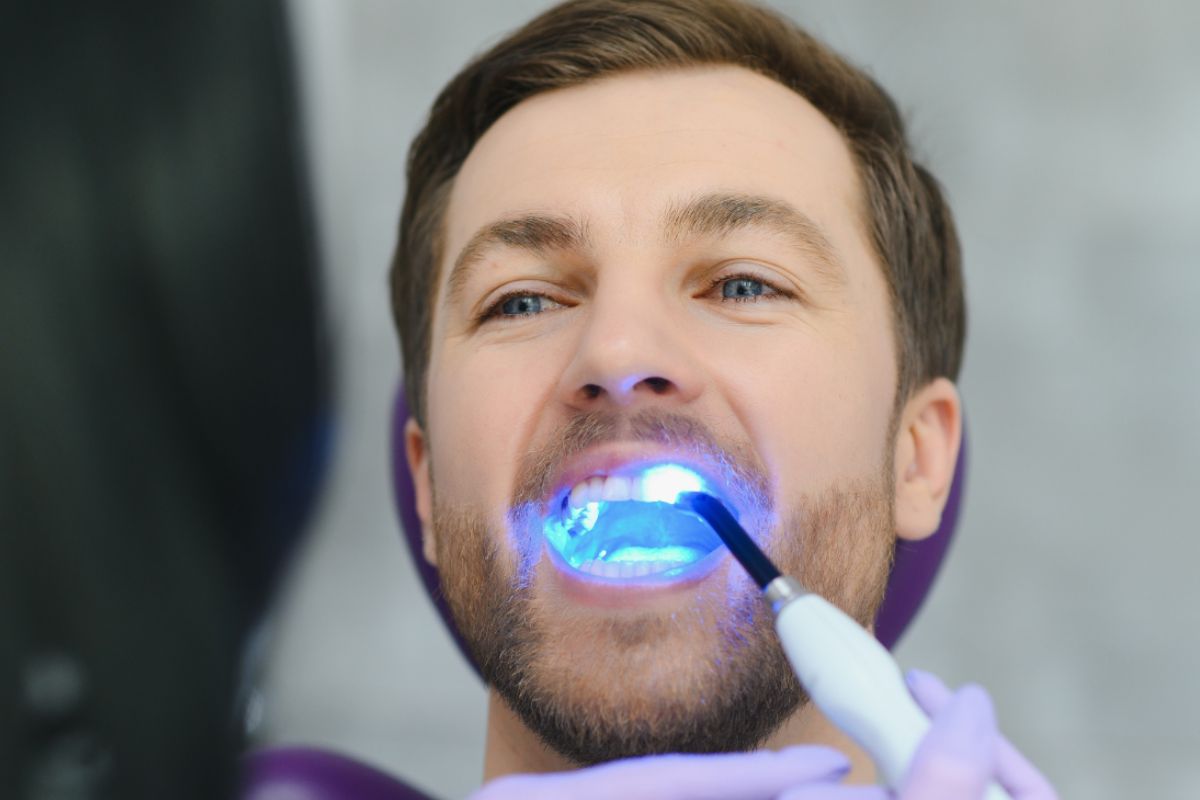
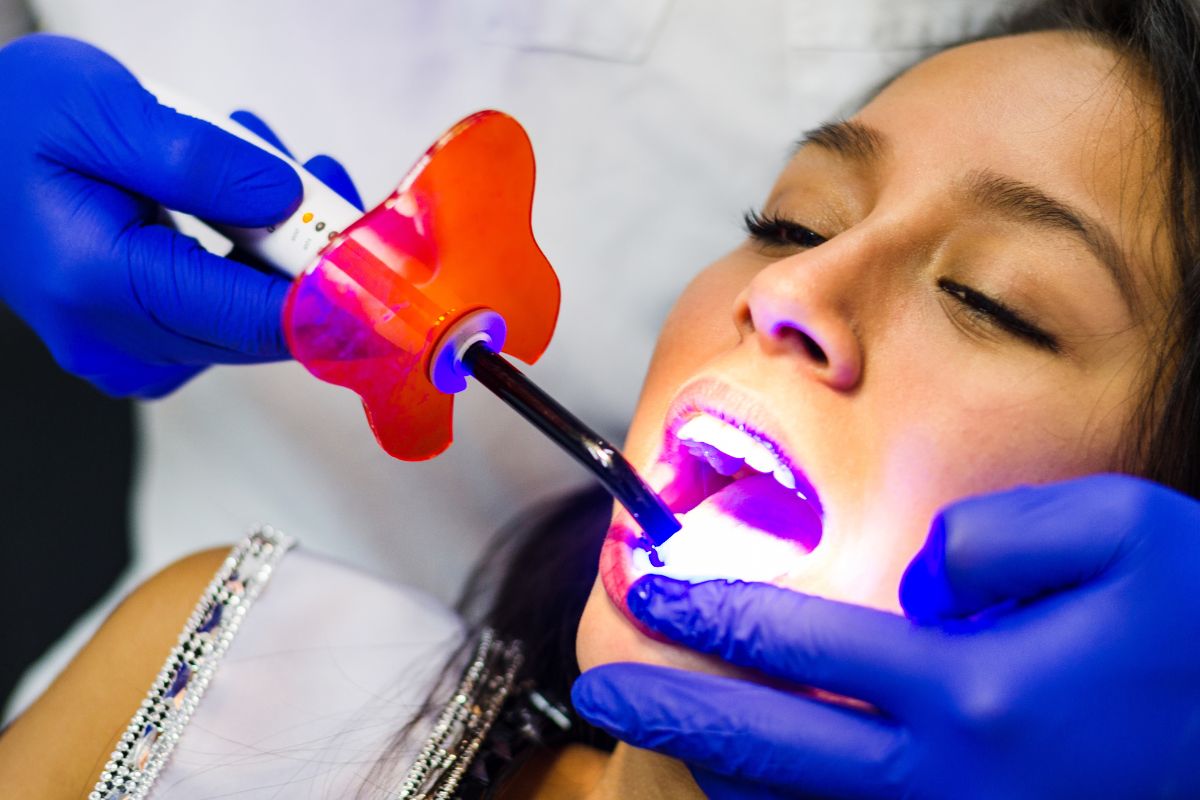
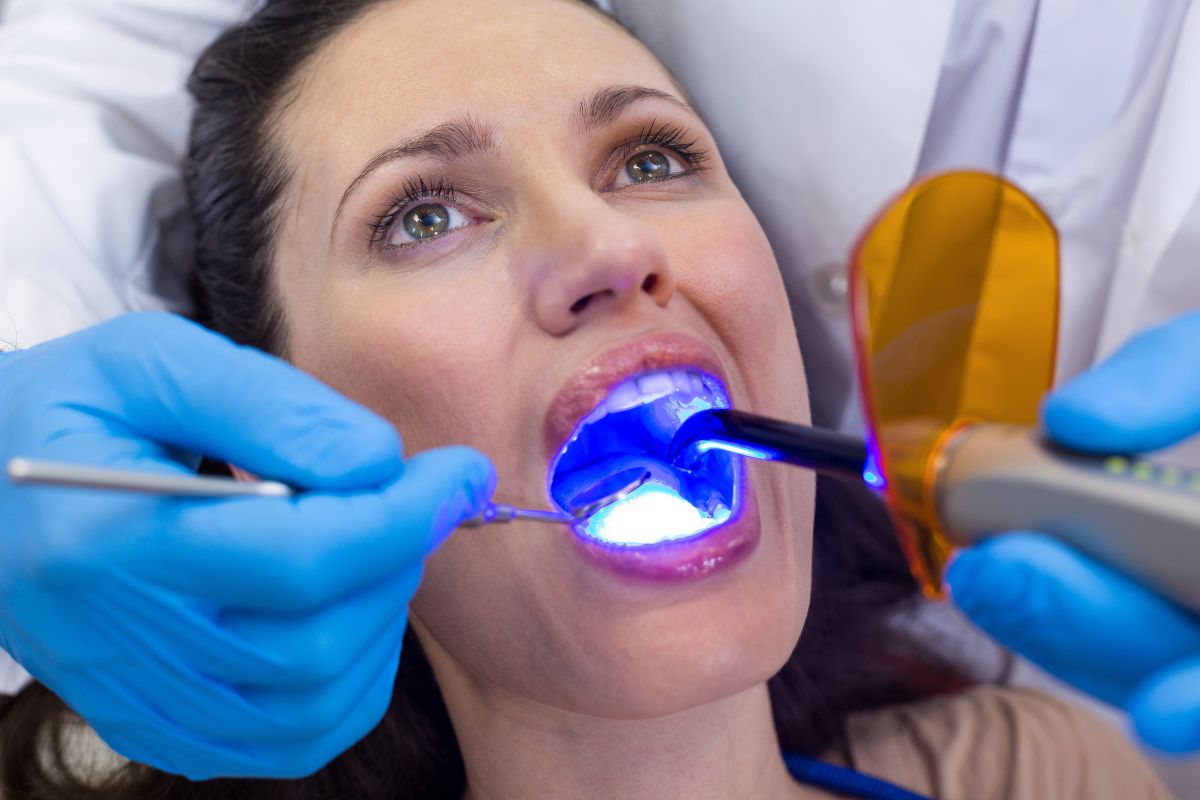
A quick exam before whitening lets your dentist check for tooth decay, gum disease, or restorations that need to be factored into your plan. From there, a custom-fit approach targets your enamel evenly, so results come in consistent instead of patchy.
Still deciding whether professional whitening is worth it? Learn how professional treatments compare with over-the-counter strips and kits in our guide, “Professional Teeth Whitening vs Store-Bought Kits: Which Works Better for Cincinnati Smiles?“
A Quick Comparison: Common Mistakes vs. the Better Approach
| Whitening Habit | What It Does to Results | Better Approach |
|---|---|---|
| Whitening right after eating/drinking dark foods | Traps stains under the gel, causing patchy fading | Wait at least 30 minutes and brush first |
| Skipping the shade check before starting | Makes it hard to track real progress or over-treat | Take a baseline photo in natural light |
| Using leftover trays or strips past their date | Weakens the gel, giving uneven, short-lived results | Replace whitening product per expiration guidance |
| Ignoring existing crowns or fillings | Restorations don’t lighten, creating a mismatched smile | Ask about restorative dentistry options first |
| Whitening over untreated tooth decay or gum disease | Can irritate tissue and worsen the underlying issue | Get a checkup before starting any whitening plan |
Small adjustments like these are the difference between whitening that fades in two weeks and a smile appearance that stays bright for months.
Patient Trust & Experience
Patients who’ve been through this often say the same thing: they wish they’d asked about a checkup before trying to whiten on their own.
⭐⭐⭐⭐⭐ Jim Gudmens
Great office-everyone is knowledgeable, polite, and competent! Wonderful practice!
Meet Your Dentist

Dr. Michael Reidy, has spent his career helping Cincinnati patients build oral hygiene habits and smile confidence that last, not just for a photo, but for everyday life. His approach starts with listening to what each patient actually wants from their smile, then building a plan around it — whitening included. Schedule a consultation with Dr. Reidy to talk through your options.
| Ready for Whitening That Actually Lasts? Skip the guesswork. A quick checkup at Forest Hills Family Dentistry helps you avoid the mistake that fades results fast, and sets you up for a brighter smile that sticks around. Call us to Schedule an appointment! |
Looking for the right provider?
Our guide, “Best Dentist Near Me in Cincinnati for Teeth Whitening (Safe & Effective),” explains what to look for when choosing a cosmetic dentist and why professional evaluation matters before whitening.
Why Cincinnati Patients Trust a Local Approach
Cincinnati’s mix of coffee shops, wine bars, and four true seasons means local smiles face a lot of staining triggers year-round. A Cincinnati cosmetic dentist who sees these patterns every day can spot the habits behind fading results faster than a generic online guide ever could.
Forest Hills Family Dentistry works with patients across Cincinnati who want whitening results that hold up to real life, not just a weekend. That local, everyday context is part of why a professional checkup makes such a noticeable difference in how long your results last.
Frequently Asked Questions
1. Why does my teeth whitening fade so fast?
The most common reason is whitening over residue from food, drinks, or plaque, which causes the whitening gel to bond unevenly. Underlying issues like tooth decay, worn enamel, or existing dental restorations can also affect how long your whitening results last.
2. Is it bad to whiten your teeth too often?
Yes. Whitening too frequently, especially without a dental evaluation, can increase tooth sensitivity and irritate your gums. Following your dentist’s recommended whitening schedule helps maintain a brighter smile while protecting your oral health.
3. Can teeth whitening damage my enamel?
When performed correctly, professional teeth whitening is safe and does not damage healthy enamel. Problems are more likely to occur when whitening is overused or performed on teeth with untreated cavities, cracks, or other dental concerns.
4. Why do my teeth look two different shades after whitening?
This often happens because crowns, veneers, and tooth-colored fillings do not respond to whitening agents the same way natural teeth do. Your dentist can recommend the best approach to achieve a more even-looking smile.
5. How long should teeth whitening results last?
Professional teeth whitening results can last anywhere from several months to a year, depending on your oral hygiene habits, diet, and lifestyle. Avoiding staining foods and drinks and attending regular dental cleanings can help extend your results.
6. Should I see a dentist before whitening my teeth?
Yes. A dental exam before whitening can identify cavities, gum disease, worn enamel, or other issues that should be treated first. This helps ensure your whitening treatment is both safe and effective.
7. Does brushing right before whitening help or hurt?
Brushing gently before whitening can remove plaque and surface debris, but brushing too aggressively immediately beforehand may irritate your gums and increase tooth sensitivity. Follow your dentist’s instructions for the best results.
8. What’s the difference between whitening strips and professional teeth whitening?
Whitening strips provide a one-size-fits-most approach, while professional teeth whitening is customized to your teeth, oral health, and smile goals. Professional treatments typically produce more even, longer-lasting results with greater comfort and safety.