You did everything right. You followed the directions, waited out the tingle, and rinsed with high hopes. Then you checked the mirror and saw it: pale, chalky patches that were not there before.
If you are staring at white spots on teeth after whitening, take a breath. You are not the first person in Cincinnati to panic over a bright smile that suddenly looks patchy, and the explanation is often simple.
Here is the catch. Some spots fade on their own in a day or two. Others were hiding in your enamel all along, and whitening just made them easier to see. Let’s walk through it the way we would if you were sitting in the chair at Forest Hills Family Dentistry.
Why White Spots on Teeth After Whitening Show Up
White spots after teeth whitening usually come from one of two things: temporary enamel dehydration, or an existing enamel flaw that whitening made easier to see. Dehydration spots typically fade within a few days. Spots from early tooth decay, fluorosis, or enamel defects tend to stay and may need a dentist’s attention.
1. Temporary Dehydration (The Most Common Cause)
Peroxide-based whitening gels pull water out of your enamel for a short time. Dry enamel looks opaque and chalky, like a dark sidewalk turning pale as it dries. Saliva slowly puts the moisture back, and most patches soften or vanish within a day or two.
2. Early Enamel Demineralization
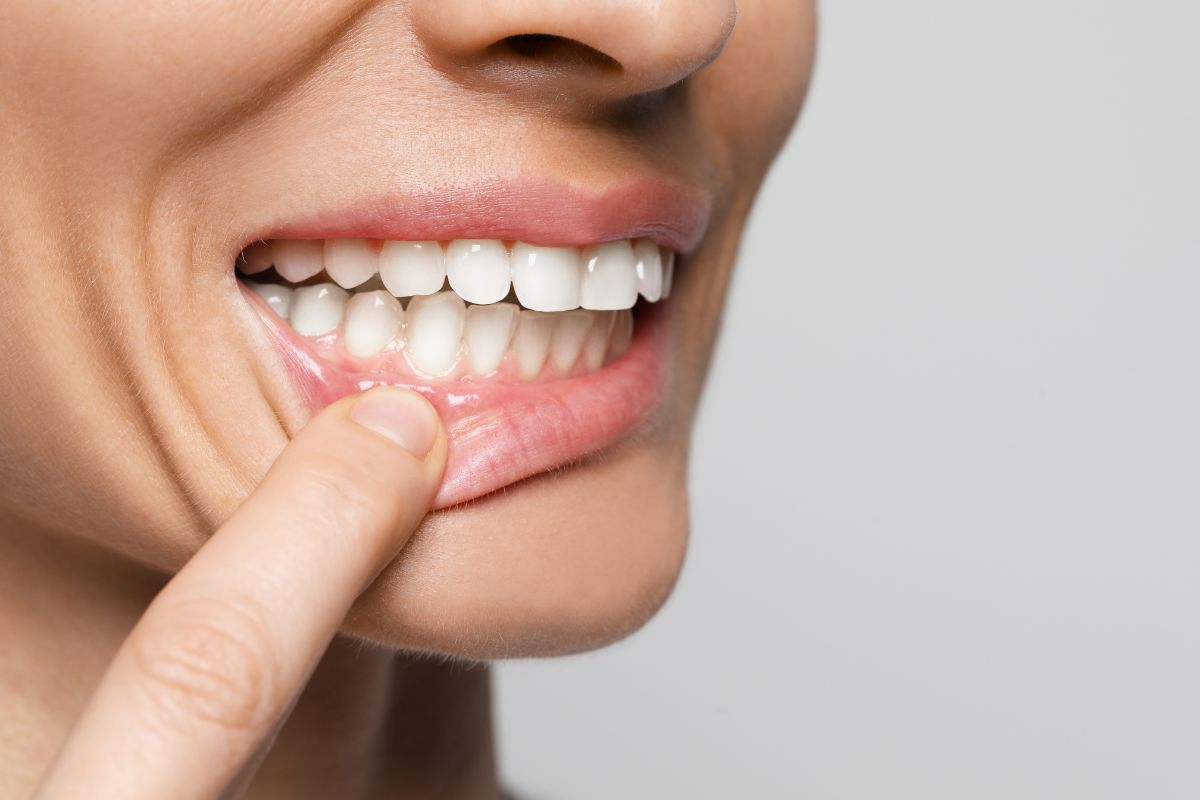
Enamel loses minerals when plaque acids sit on teeth too long. The result is a dull, chalky patch often called a white spot lesion, and it can be the earliest sign of tooth decay. They often show up near the gumline or around old braces.
Here is the twist. They were usually there before you whitened. Once the surrounding enamel brightened, the contrast made them stand out.
3. Mild Fluorosis
Fluorosis happens when children get too much fluoride while their permanent teeth are forming. It can leave faint white flecks or lacy streaks. It is harmless to oral health, but it stands out more once your teeth get lighter.
4. Developmental Enamel Defects
Some teeth form with thin or uneven enamel. Childhood fevers, illness, or an injury to a baby tooth can all play a role. These areas do not respond to whitening like the rest of the tooth.
5. Uneven Contact With the Whitening Gel
Strips that slip, loose trays, and gel that pools in one spot can all lead to uneven teeth whitening. Crowded teeth, or teeth that sit out of line because of bite alignment, are harder to cover evenly. The result can look like blotches or bands.
6. Dental Work That Does Not Change Color
Dental crowns, veneers, and tooth-colored fillings do not lighten like natural enamel. After whitening, they can look flatter or darker than the teeth beside them. That is a color mismatch, not a spot, but it is a big reason results look patchy.
Temporary vs. Lasting White Patches on Teeth: How to Tell the Difference
| What to Check | Temporary (Dehydration) | Lasting (Decay, Fluorosis, Defects) |
|---|---|---|
| When it appears | Within hours of a whitening session | Often there before, but more visible now |
| How it looks | Cloudy, soft-edged, blends in | Defined chalky patch, flecks, or lacy streaks |
| How long it lasts | Fades in a day or two, sometimes a few days longer | Does not fade on its own |
| Texture | Smooth | May feel rough if decay is involved |
| Best next step | Pause whitening and recheck in a few days | Book an exam to find the cause |
| Did You Know? If a white spot looks the same a week after you stopped whitening, dehydration is probably not the cause. Spots that stay put are worth a closer look. |
Why This Matters More Than You Might Think
Your Confidence Takes a Hit
You whitened for a reason: a wedding, an interview, a reunion, or a fresh start. Patchy results can leave you feeling worse about your smile appearance than before you began.
A Spot Can Be an Early Warning
Not every white spot is cosmetic. Sometimes it is the first sign of weakened enamel. Whitening did not cause it, but it may have given you your first clear look. Early weak spots are far easier to manage than cavities, which is why they deserve attention.
The Risks of Ignoring Them (or Fixing Them Yourself)
When Early Decay Goes Unchecked
Demineralized enamel is weaker than healthy enamel. Without help, plaque acids can keep working until a cavity forms. Catch it early and you may avoid restorative dentistry altogether.
Common Mistakes That Make Things Worse
- Whitening again right away. More gel can add sensitivity and gum irritation, and it will not fix spots that are not caused by dehydration.
- Scrubbing harder. Abrasive pastes and charcoal powders can wear enamel down. They cannot remove a spot that sits inside the tooth.
- Letting plaque build up. Skipping good oral hygiene near the gumline fuels demineralization and can raise your risk of gum disease.
- Guessing the cause. Dehydration, decay, and fluorosis can look alike, but each one needs very different care.
Wondering whether whitening products can harm your teeth? Explore our guide to whether teeth whitening can damage enamel to better understand enamel safety and how to protect your smile.
What a Dentist Can Do About White Spots After Whitening
What You Can Do at Home First
If your spots just appeared, give your teeth a few days. In the meantime:
- Pause all whitening. Let your enamel rest until the spots are checked.
- Sip water through the day. A moist mouth helps enamel rehydrate.
- Brush gently with fluoride toothpaste. Use a soft brush and no harsh scrubbing.
- Take a photo in natural light today and again in three days. It shows what is changing.
If you want to keep your smile bright without repeating habits that may affect your results, read our guide to common teeth whitening mistakes to learn which habits to avoid.
What We Look For During an Exam
At your visit, we check the color, texture, and edges of each spot. An intra-oral camera lets us show you exactly what we see, and digital X-rays help us check for decay beneath the surface. Then we explain what is going on in plain language.
Treatment Options That May Fit
The right plan depends on the cause. Your dentist may recommend:
- Time and monitoring. For dehydration, patience is often the whole treatment.
- Remineralizing care. Professional fluoride and other remineralizing products can help strengthen early weak spots.
- Conservative spot treatment. Methods like resin infiltration or microabrasion may blend some lasting spots into surrounding enamel.
- A guided whitening plan. Once spots are addressed, a dentist-supervised approach can even out your shade more safely.
- Bonding or porcelain veneers. For stubborn spots, these cosmetic dentistry options can restore an even look.
- Tooth-colored fillings. If a spot has become a cavity, a filling stops the decay.
| Not Sure What Those Spots Mean? Let’s Take a Look Together. Spots that do not fade in a few days, feel rough, or come with sensitivity deserve an exam. A short visit can tell you whether it is temporary or worth treating early. Schedule a consultation with Dr. Dorsch at Forest Hills Family Dentistry. Early morning appointments are available. |
Local Care for Cincinnati and Anderson Township Smiles
Forest Hills Family Dentistry welcomes families from Cincinnati, Anderson Township, Forest Hills, Mt. Washington, and the greater east side.
Because we handle cleanings, fillings, and cosmetic care under one roof, we can look at white spots as part of your whole oral health picture. Whether you whitened with a drugstore kit or somewhere else, you are welcome to come in and ask.
Frequently Asked Questions About White Spots After Whitening
1. Are white spots on teeth after whitening permanent?
Not always. Dehydration spots usually fade in a day or two. Spots from early decay, fluorosis, or enamel defects do not fade on their own. If a spot is still there after a week, a dentist can tell you which type it is.
2. How long do white spots last after teeth whitening?
Dehydration spots often disappear within 24 to 48 hours, though some people need several days. Take a photo today and another in three days. If nothing changes, schedule an exam.
3. Can teeth whitening cause white patches on teeth?
Whitening can cause temporary chalky patches by drying out enamel. It rarely creates lasting spots, but it can reveal ones that were already there.
4. Why did my teeth whiten unevenly?
Gel that missed some surfaces, crowded teeth, and enamel of varying thickness are common reasons. Fillings, crowns, and veneers also stay the same color. A dentist can map out a plan to even the shade.
5. Is it safe to whiten again if I have white spots?
It is best to pause until a dentist checks them. More whitening will not fix spots caused by decay or fluorosis, and it can add sensitivity. Once the cause is clear, your dentist can advise you.
6. What is the difference between white spots from decay and from fluorosis?
Decay spots are usually chalky, may feel rough, and often sit near the gumline, where enamel can weaken. Fluorosis spots are faint flecks or lacy streaks, often on several teeth, and do not weaken enamel. An exam confirms which is which.
7. Can white spots on teeth be removed or covered?
Often, yes. Depending on the cause, options may include remineralizing care, resin infiltration, microabrasion, bonding, or veneers. Your dentist will suggest the gentlest approach that fits.
8. When should I see a dentist about white spots after whitening?
Book a visit if spots last more than a week, feel rough or sensitive, keep spreading, or sit near the gumline. Call right away for pain or swelling. Earlier visits usually mean simpler treatment.
A Brighter Smile Should Feel Good, Not Confusing
White spots after whitening can be unsettling, but they are rarely a reason to panic. Many fade on their own, and the ones that do not are usually easier to manage when caught early. It starts with a calm, honest look from a dentist who explains each step.