What does it mean if you notice signs you need a dental bridge?
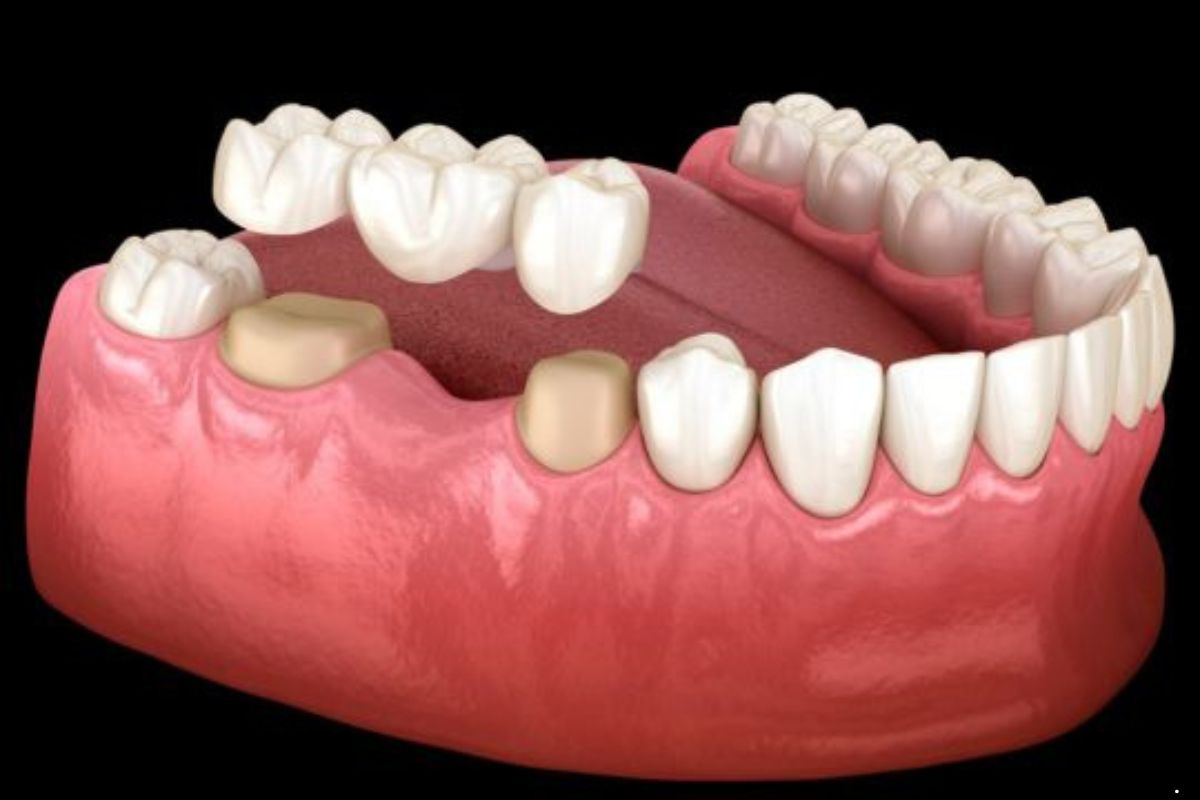
A dental bridge is a fixed restoration used to replace one or more missing teeth by anchoring an artificial tooth to adjacent natural teeth or implants.
If you’re noticing gaps, difficulty chewing, or shifting teeth, these may be early signs you need a dental bridge—a common solution dentists recommend to restore function and protect long-term oral health.
What Is a Dental Bridge?
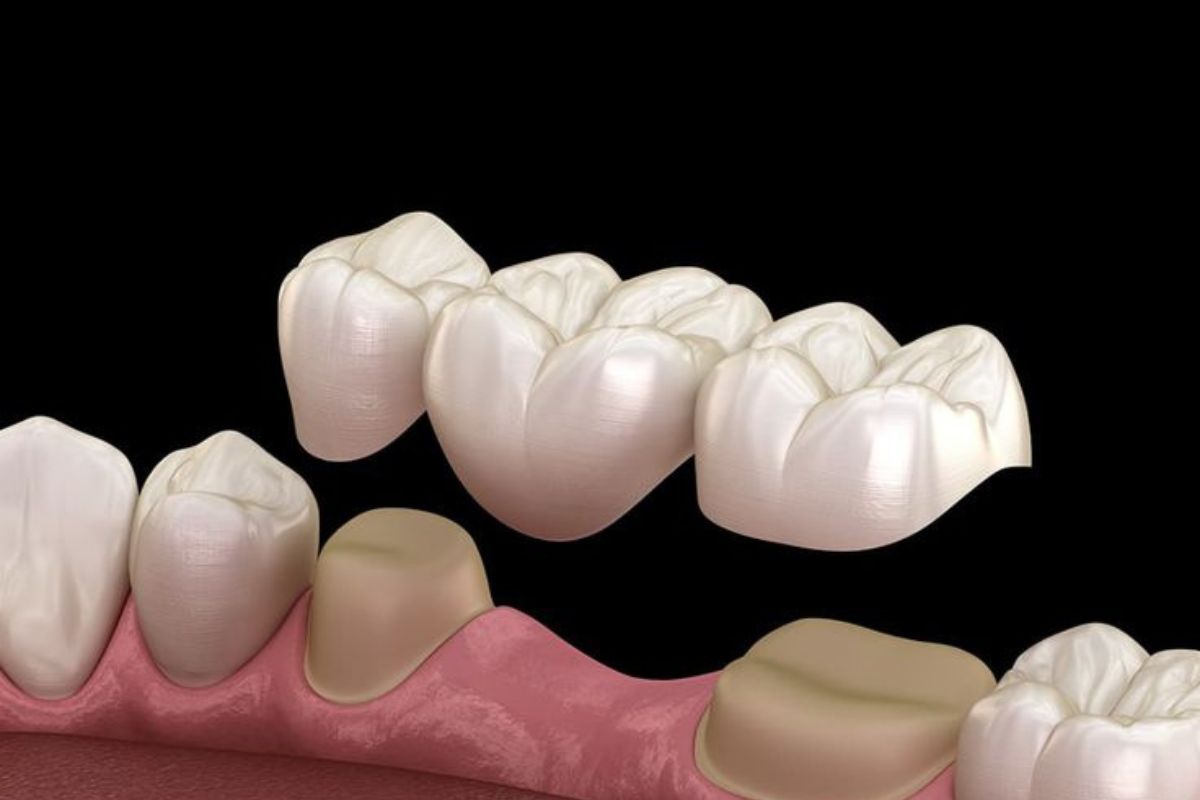
A dental bridge literally “bridges” the gap left by missing teeth. It typically consists of:
- One or more artificial teeth (pontics)
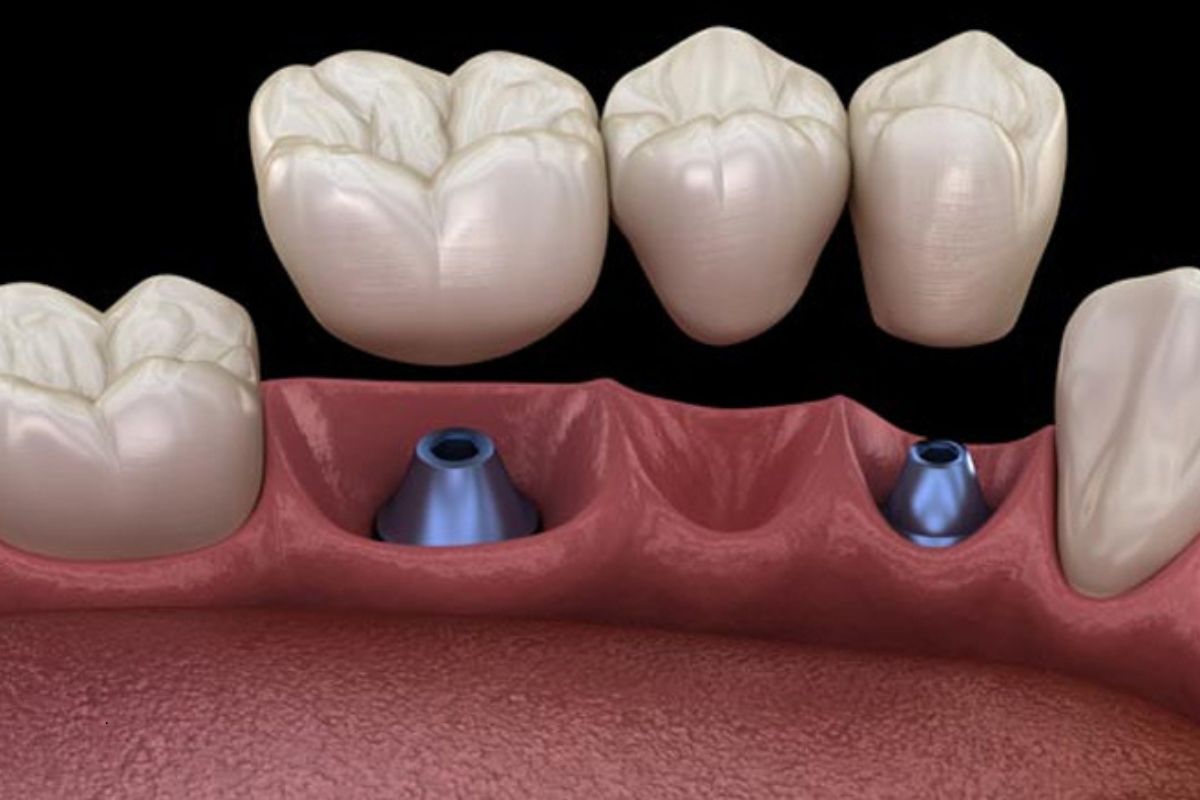
- Crowns placed on adjacent teeth or implants for support
Bridges are one of several missing tooth solutions, alongside implants and removable partial dentures. They are often chosen for their stability and natural feel. For a more detailed look at the types of dental bridges and how they work, check out our guide: “Bridging the Gap: A Comprehensive Guide to Dental Bridges“.
Why Might You Need a Dental Bridge?
Missing teeth are not just cosmetic concerns—they can lead to structural and functional problems, including:
- Shifting of nearby teeth
- Bite misalignment
- Jaw discomfort
- Difficulty chewing or speaking
In cities like Cincinnati, OH, where many adults seek restorative dental care, untreated tooth loss is a leading cause of long-term oral complications.
8 Signs You Need a Dental Bridge
1. You Have One or More Missing Teeth
This is the most obvious indicator. Even a single missing tooth can disrupt your bite and affect surrounding teeth.
Quick answer:
If you have a visible gap in your smile, a dental bridge may help restore both appearance and function.
2. Difficulty Chewing Certain Foods
If you avoid chewing on one side or struggle with tougher foods, it may signal missing or compromised teeth.
Why it matters:
Uneven chewing can strain your jaw and lead to digestive issues over time.
3. Teeth Are Shifting Out of Place
When a tooth is missing, adjacent teeth naturally drift into the empty space.
Bridge restoration signs include:
- Crooked teeth developing suddenly
- New gaps forming
- Bite feeling “off”
4. Changes in Your Bite Alignment
A missing tooth can alter how your upper and lower teeth meet.
Common symptoms:
- Uneven pressure when biting
- Jaw soreness
- Clicking or discomfort when chewing
5. Speech Difficulties
Teeth play an essential role in forming certain sounds.
If you notice:
- Slurred speech
- Difficulty pronouncing certain words
…it could be related to missing teeth requiring restoration.
6. Increased Tooth Sensitivity Nearby
Teeth adjacent to a gap may become more sensitive due to added stress and exposure.
Why this happens:
- Increased pressure on surrounding teeth
- Gum recession around the gap
7. Facial Structure Changes
Over time, missing teeth can lead to slight facial sagging or a “sunken” look.
Early signs include:
- Thinning lips
- Slight collapse in cheek structure
A bridge helps maintain facial support.
8. You’ve Been Recommended a Bridge by Your Dentist
Sometimes, the signs aren’t obvious without a professional exam.
Dentists may recommend a bridge if:
- Adjacent teeth are strong enough to support it
- You’re not a candidate for implants
- You prefer a fixed (non-removable) option
When Is a Dental Bridge Required?
A dental bridge is typically recommended when:
- One to three teeth are missing in a row
- Adjacent teeth are healthy enough for support
- Bone loss makes implants less suitable
Summary:
If left untreated, missing teeth can cause progressive oral health issues, making early evaluation important.
What Is the Procedure for Getting a Dental Bridge?
Step-by-Step Overview
1. Initial consultation and exam
Your dentist evaluates your teeth, gums, and bite.
2. Tooth preparation
Adjacent teeth are reshaped to support crowns.
3. Impressions taken
A custom bridge is designed for your mouth.
4. Temporary bridge placement
Protects your teeth while the final bridge is made.
5. Final bridge placement
The permanent bridge is fitted and adjusted.
Benefits of a Dental Bridge
- Restores your ability to chew normally
- Improves speech clarity
- Maintains facial shape
- Prevents teeth from shifting
- Provides a natural-looking smile
For many patients exploring missing tooth solutions, bridges offer a balance between function and convenience. If you’re curious about how modern dental bridges can restore a natural-looking smile, see our article: “Restoring Your Smile With Natural-Looking Replacement Teeth“.
Risks and Considerations
While effective, dental bridges may have some considerations:
- Requires alteration of adjacent teeth
- May need replacement after 10–15 years
- Risk of decay if oral hygiene is poor
Regular dental visits—especially in preventive-focused communities like Cincinnati—help extend the life of your restoration.
Aftercare: How to Maintain a Dental Bridge
To keep your bridge in good condition:
- Brush twice daily with fluoride toothpaste
- Floss under the bridge using special tools
- Avoid very hard or sticky foods
- Schedule regular dental checkups
Pro tip: Consistent care significantly improves bridge longevity.
When Should You See a Dentist?
If you notice any of the signs you need a dental bridge, it’s best to seek an evaluation sooner rather than later.
Early intervention can:
- Prevent further tooth movement
- Reduce the need for more complex treatments
- Preserve your overall oral health
Call us today to speak with our team and schedule your evaluation before the problem gets worse.
FAQs: Signs You Need a Dental Bridge
1. How do I know if I need a dental bridge or an implant?
Bridges are often recommended if adjacent teeth can support the restoration, while implants are used when independent support is needed.
2. Are dental bridges permanent?
Dental bridges are fixed but not lifetime solutions. They typically last 10–15 years with proper care.
3. Is getting a dental bridge painful?
The procedure is usually comfortable, as local anesthesia is used during tooth preparation.
4. What happens if I don’t replace a missing tooth?
You may experience shifting teeth, bite issues, and bone loss over time.
5. Can a dental bridge look natural?
Yes, modern bridges are designed to match your natural teeth in color and shape.
6. How long does it take to get a dental bridge?
The process usually takes 2–3 visits over a few weeks.
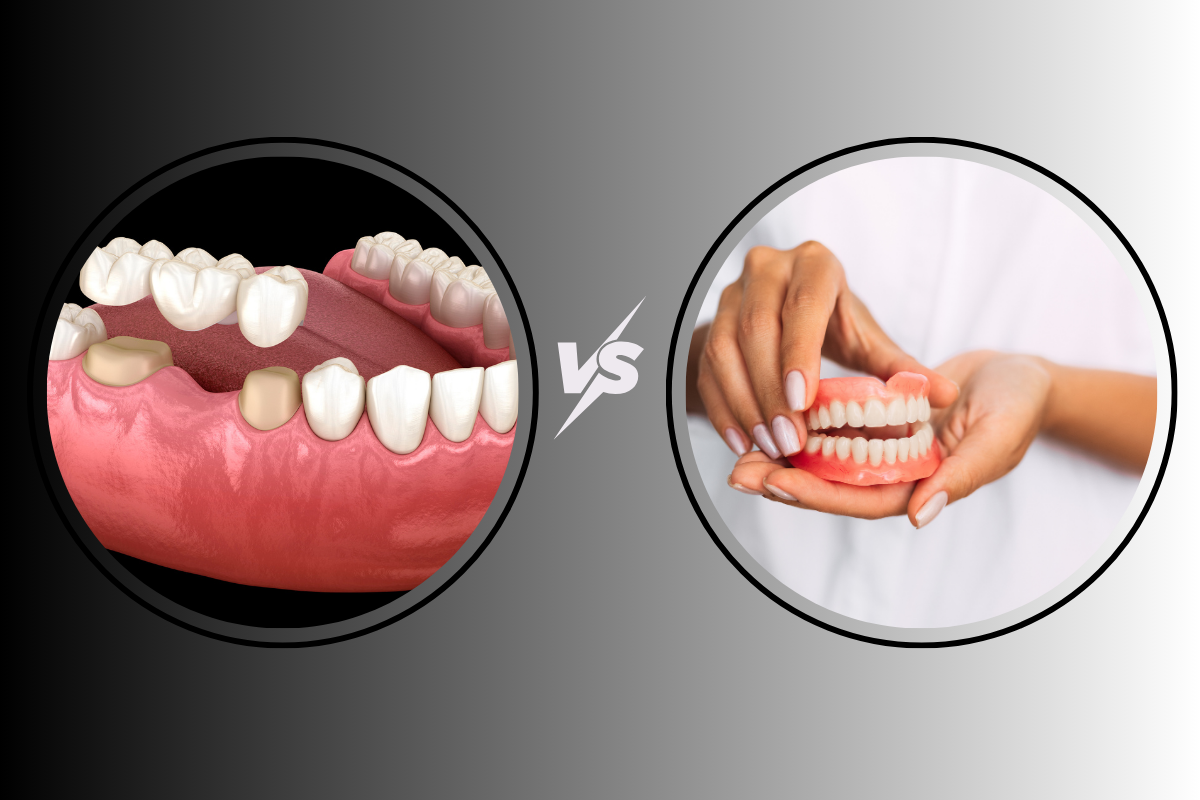
7. Are bridges better than dentures?
Bridges are fixed and feel more stable, while dentures are removable. The best option depends on your situation.
8. Can I eat normally with a dental bridge?
Yes, after a short adjustment period, most patients return to normal eating habits.
Final Thoughts
Recognizing the early signs you need a dental bridge can help you avoid more complex dental issues down the road. If you’re experiencing changes in your bite, missing teeth, or discomfort while chewing, a professional evaluation can clarify your options.
If you’re in or around Cincinnati, OH, consider scheduling a consultation to explore whether a dental bridge fits your needs.