Losing a tooth doesn’t just change your smile—it can quietly affect how you eat, speak, and feel about yourself every single day. If you’ve been searching for the right fix, you’ve likely come across the debate: dental implant vs bridge. And if you live in Cincinnati, you’re probably wondering which option actually makes sense for your lifestyle, budget, and long-term health.
Let’s break it down in a way that feels real, clear, and helpful—so you can make the right decision with confidence.
The Problem: Missing Teeth Are More Than a Cosmetic Issue
A missing tooth may seem like a small gap—but over time, it can lead to:
- Shifting teeth
- Jawbone loss
- Difficulty chewing certain foods
- Changes in speech
- Lower self-confidence
Many patients across Cincinnati neighborhoods—from Anderson Township to Forest Hills—initially delay treatment, only to find the problem getting worse.
Why This Decision Matters More Than You Think
Choosing between a dental implant and a dental bridge isn’t just about filling a gap. It’s about:
- Protecting your long-term oral health
- Preventing future dental costs
- Maintaining your natural bite and facial structure
A rushed or uninformed decision can lead to repeated treatments down the road.
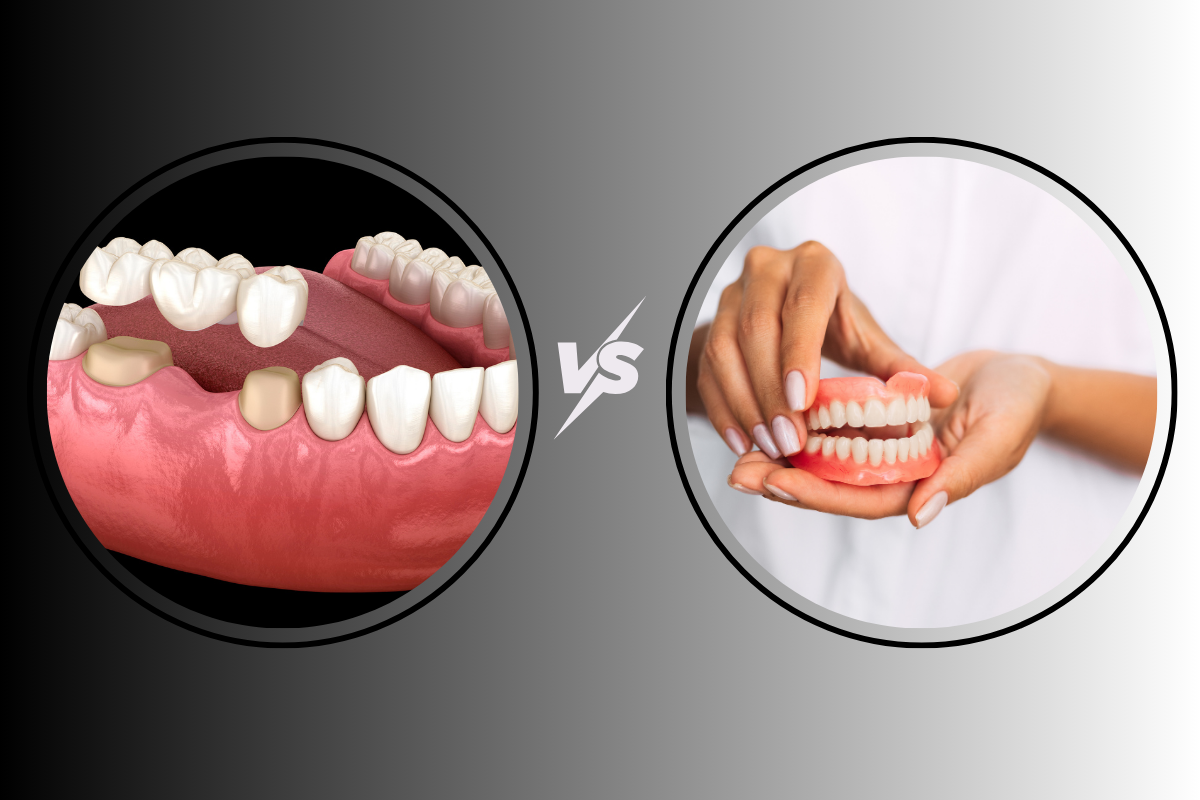
Dental Implant vs Bridge: What’s the Difference?
Dental Implants (Modern Tooth Replacement)
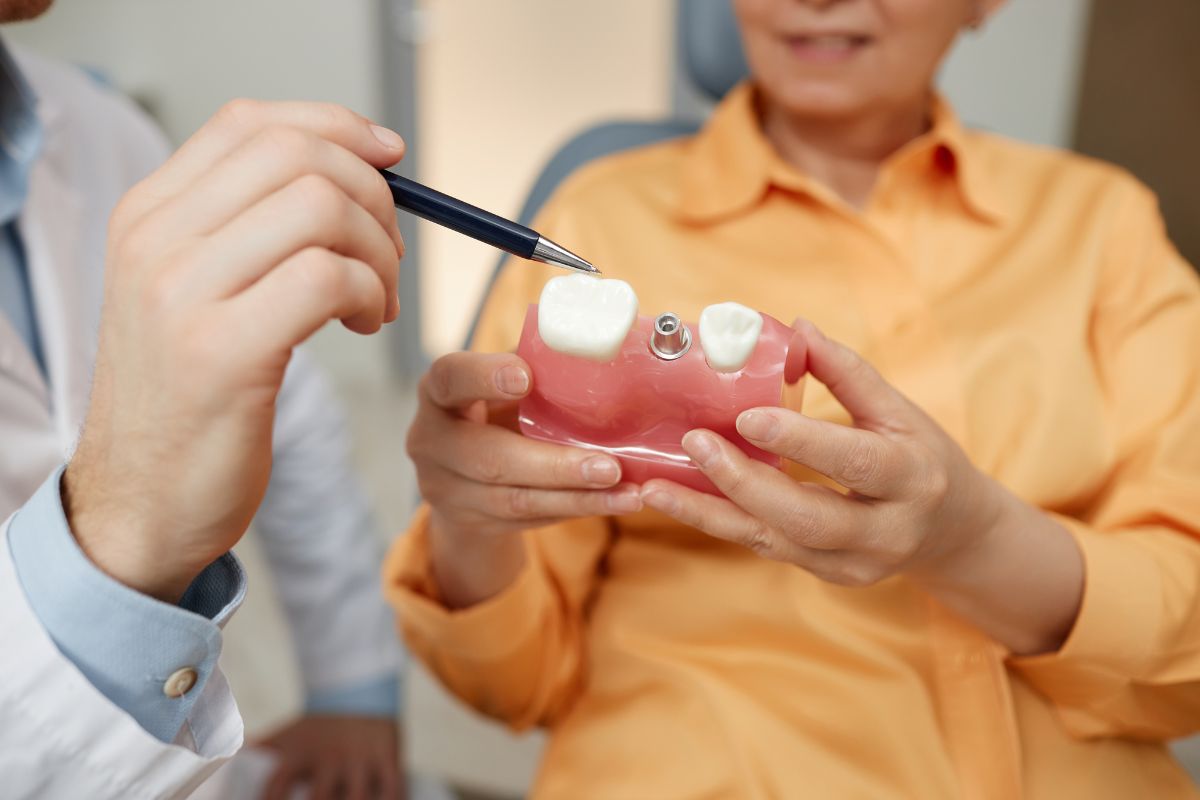
A dental implant replaces both the root and the visible tooth. It’s placed into the jawbone and topped with a crown.
Best for:
- Long-term stability
- Preserving jawbone health
- Replacing single or multiple teeth
Key Benefits:
- Feels and functions like a natural tooth
- Helps prevent bone loss
- Doesn’t rely on neighboring teeth
Dental Bridges (Traditional Option)
A dental bridge fills the gap by anchoring an artificial tooth to the adjacent teeth.
Best for:
- Faster restoration timeline
- Patients who prefer a non-surgical option
Key Benefits:
- Quicker process
- Lower upfront cost
- Restores appearance and function
The Hidden Risks Most People Don’t Consider
Before choosing, it’s important to understand what happens long-term.
With Dental Bridges:
- Adjacent teeth must be filed down
- Higher risk of decay under the bridge
- May need replacement after 7–10 years
With Dental Implants:
- Requires a healing period
- Involves a minor surgical procedure
- Higher upfront investment
But here’s the key: implants often last decades, while bridges may need replacement multiple times.
While dental implants require a healing phase, understanding what to expect can make the process much easier. If you’re concerned about recovery, don’t miss our guide on what the healing phase after dental implants really looks like for Cincinnati patients.
Missing Teeth Treatment Comparison: Which One Wins?
Here’s a simple side-by-side to help you visualize:
| Factor | Dental Implants | Dental Bridges |
| Longevity | 20+ years (often lifelong) | 7–10 years |
| Jawbone Health | Preserved | Not protected |
| Impact on Other Teeth | None | Requires alteration |
| Maintenance | Like natural teeth | Special care needed |
| Cost Over Time | Lower long-term | Higher long-term |
What Works Best for Patients in Cincinnati?
In areas like Forest Hills and Greater Cincinnati, many adults are choosing implants for one main reason: they want a long-term solution that doesn’t create more dental work later.
However, bridges can still be a good option if:
- You need a quicker solution
- You’re not a candidate for implant placement
- You prefer to avoid surgery
The best choice always depends on your oral health, bone density, and personal goals.
Not sure if a bridge is the right fit? Here are some common situations where it may be recommended—take a look at these signs you may need a dental bridge for missing teeth to better understand your options.
Why Professional Guidance Matters
Every smile is different. What works for one patient may not be right for another.
At Forest Hills Family Dentistry, treatment planning isn’t rushed. Your dentist will evaluate:
- Bone structure
- Gum health
- Bite alignment
- Long-term oral health goals
This ensures your tooth replacement option actually supports your future—not just your current situation.
The Real Cost Question: What Saves You More Over Time?
Many patients in Cincinnati initially lean toward bridges because of lower upfront cost.
But here’s the reality:
- Bridges often need replacement
- Supporting teeth may require additional treatment
- Long-term maintenance adds up
Dental implants, while a bigger initial investment, often reduce future dental expenses.
When You Should Act (Don’t Wait Too Long)
If you’ve recently lost a tooth, timing matters.
Delaying treatment can lead to:
- Bone loss (making implants harder later)
- Shifting teeth
- Bite problems
The sooner you act, the more options you keep open. Call us today to talk to our professionals and find the best solution for your smile.
Ready to Decide? Let’s Make It Simple
Still unsure about dental implant vs bridge?
The best next step is a personalized consultation where you can:
- Understand your options clearly
- See what fits your lifestyle and budget
- Get a long-term plan—not a temporary fix
Schedule your consultation with Forest Hills Family Dentistry in Cincinnati today and take the first step toward a confident, complete smile.
FAQs: Dental Implant vs Bridge
1. Which is better: dental implant or bridge?
It depends on your needs. Implants last longer and protect bone health, while bridges offer a quicker, non-surgical option.
2. How long do dental implants last?
With proper care, implants can last 20 years or more—often a lifetime.
3. Are dental bridges cheaper than implants?
They usually cost less upfront, but may cost more over time due to replacements.
4. Does getting a dental implant hurt?
Most patients report minimal discomfort. The procedure is typically well-managed with modern techniques.
5. Can anyone get dental implants?
Not everyone is an immediate candidate. Bone density and overall health play a role.
6. How long does a dental bridge last?
On average, 7–10 years with proper care.
7. What happens if I don’t replace a missing tooth?
You may experience bone loss, shifting teeth, and bite issues.
8. Which option looks more natural?
Both can look natural, but implants often feel more like real teeth.
Final Thoughts
Choosing between a dental implant and a bridge isn’t just about today—it’s about how your smile holds up years from now. Patients across Cincinnati are increasingly choosing solutions that offer stability, comfort, and peace of mind. If you’re ready to restore your smile the right way, now is the time to act.