Missing teeth can affect much more than the way your smile looks. Gaps in your teeth can change how you chew, speak, and even how your remaining teeth align over time. For many adults, dental bridges offer a reliable and natural-looking way to restore both function and confidence.
This guide explains how dental bridges work, the different types available, and what patients should know before choosing this treatment. Whether you’re exploring options for yourself or simply want to understand restorative dentistry better, having clear information helps you make informed decisions about your oral health.
What Is a Dental Bridge?
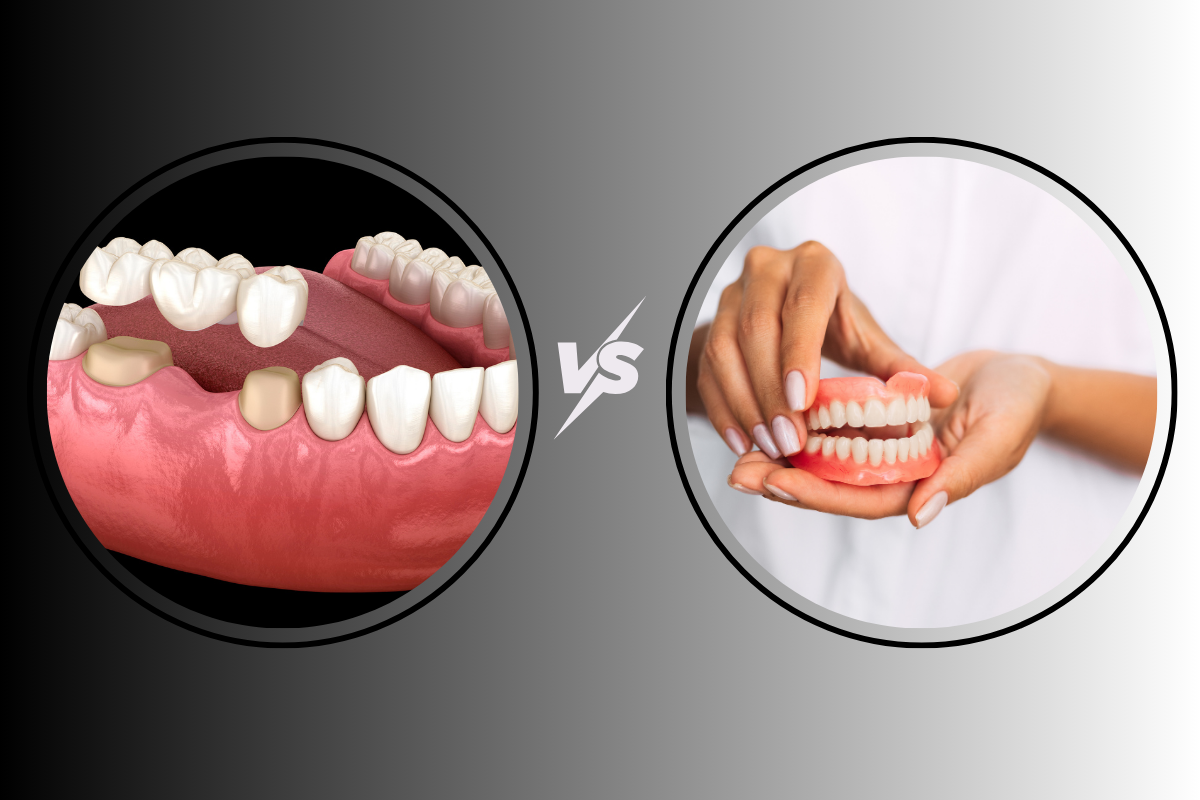
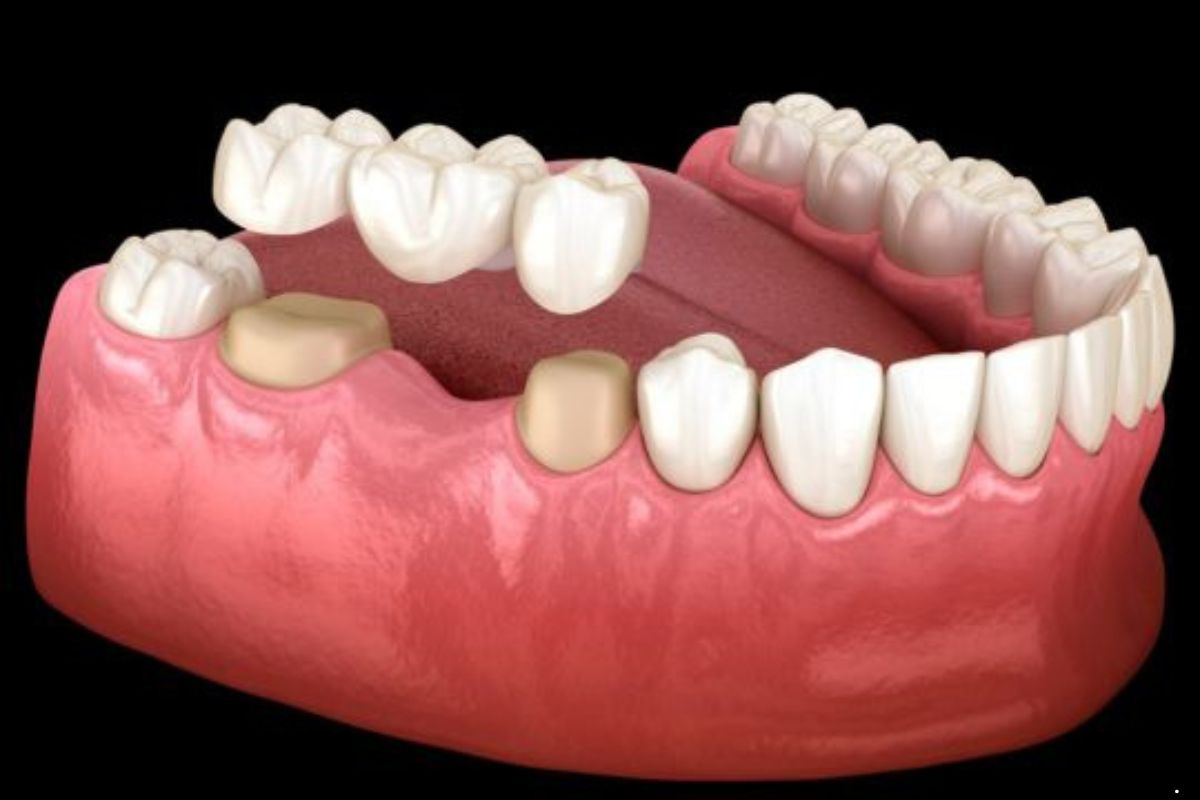
A dental bridge is a restorative solution designed to replace one or more missing teeth by “bridging” the gap between existing teeth. It is supported by neighboring teeth or dental implants and holds an artificial tooth securely in place.
Modern bridges are designed to blend seamlessly with natural teeth. Materials such as porcelain are commonly used because they closely mimic the color and translucency of enamel while offering durability for everyday use.
How Dental Bridges Restore Oral Function
When a tooth is lost, surrounding teeth often shift toward the open space. Over time, this movement can lead to bite issues, uneven wear, and jaw discomfort. A dental bridge helps maintain proper alignment by filling the gap and stabilizing the surrounding teeth.
Beyond alignment, bridges support:
-
Proper chewing and digestion
-
Clear speech and pronunciation
-
Balanced bite pressure
-
Facial structure and appearance
By restoring function early, patients can reduce the risk of more complex dental problems in the future.
Types of Dental Bridges
Not all dental bridges are the same. The right option depends on the location of the missing tooth, the condition of nearby teeth, and overall oral health.
Traditional Bridges
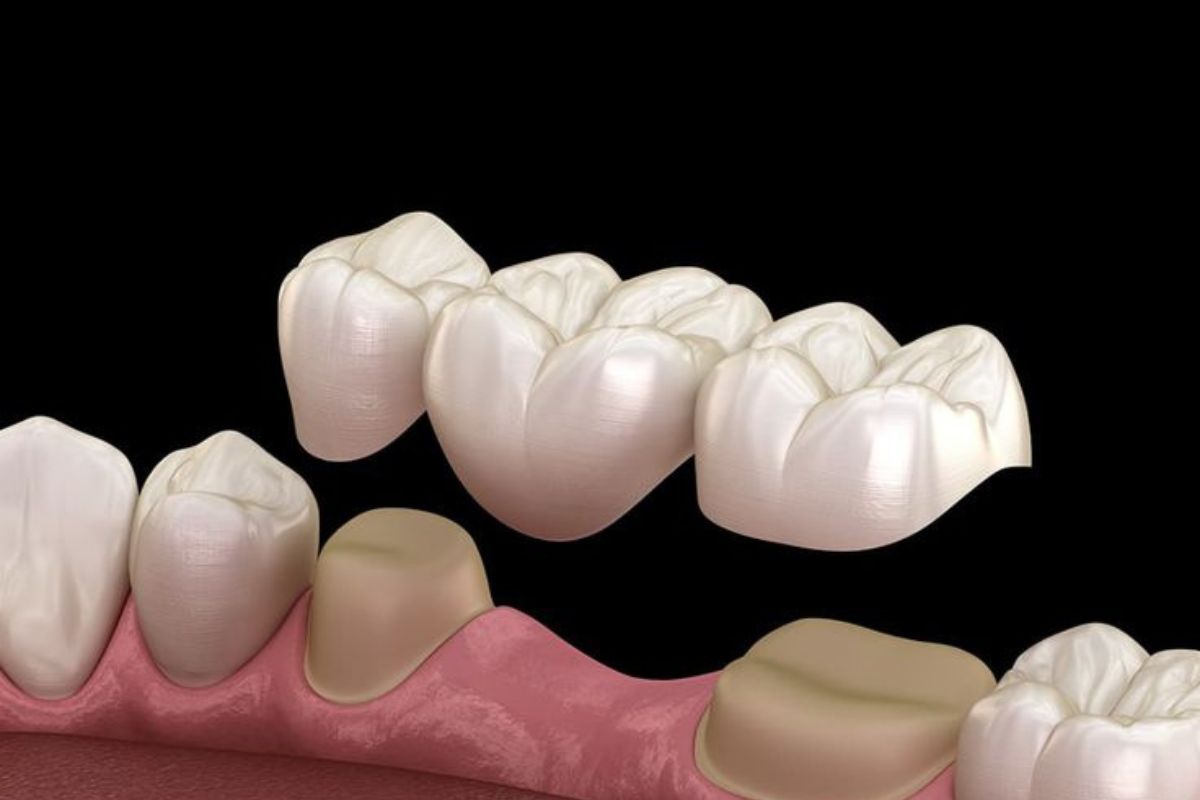
These are the most common type and are supported by crowns placed on the teeth adjacent to the gap. The artificial tooth is anchored securely between them.
Cantilever Bridges
Used when only one adjacent tooth is available for support, typically in areas of the mouth with less chewing pressure.
Implant-Supported Bridges
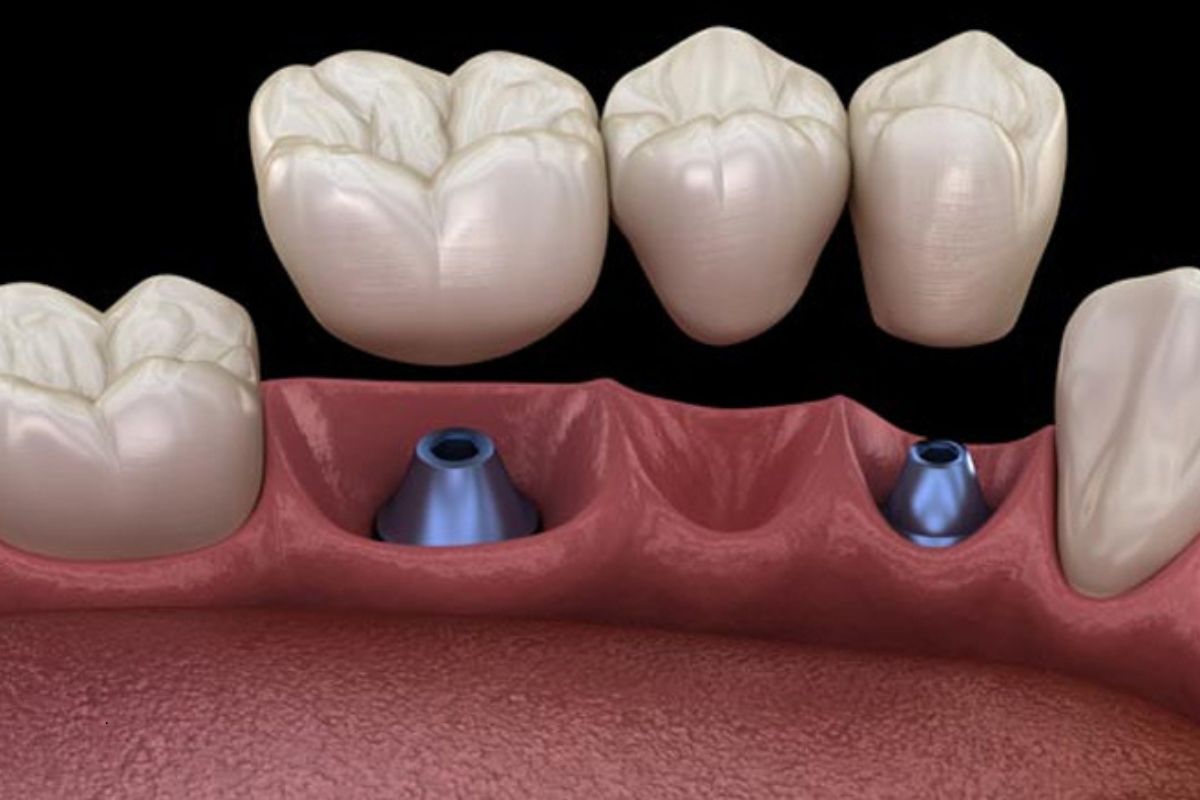
Instead of relying on natural teeth, these bridges are supported by dental implants. They are often used when multiple teeth are missing in a row.
Porcelain bridges are frequently chosen across these options because they offer strength while maintaining a natural appearance that blends well with surrounding teeth.
Why Porcelain Is a Popular Choice
Porcelain is widely used in restorative dentistry because it closely resembles natural enamel. Its color, texture, and light-reflecting properties make it difficult to distinguish from real teeth.
Additional benefits include:
-
Stain resistance
-
Smooth surface that feels natural
-
Compatibility with surrounding gum tissue
Patients considering porcelain bridges in Cincinnati often appreciate how discreet and comfortable these restorations feel in everyday life.
The Dental Bridge Process: What to Expect
The process typically involves multiple steps to ensure a precise and comfortable fit.
-
Initial Evaluation
Your dentist examines your teeth, gums, and bite to determine if a bridge is appropriate. -
Preparation
Supporting teeth may be reshaped to accommodate crowns, if needed. -
Impressions and Temporary Bridge
Impressions are taken to create a custom restoration. A temporary bridge may be placed to protect the area. -
Final Placement
Once the bridge is ready, it is adjusted for fit and bite before being permanently secured.
The goal is to create a restoration that feels natural and functions like your own teeth.
Caring for Your Dental Bridge
Proper care helps extend the life of a dental bridge and protects surrounding teeth. Daily brushing and flossing remain essential, especially around the supporting teeth.
Helpful habits include:
-
Using floss threaders or water flossers
-
Avoiding chewing ice or very hard foods
-
Scheduling regular dental checkups
-
Addressing grinding or clenching if present
With consistent care, many bridges last well over a decade.
Is a Dental Bridge Right for You?
Dental bridges are often recommended for patients who:
-
Have one or more missing teeth
-
Have healthy teeth or implants for support
-
Want a fixed, non-removable solution
-
Prefer a natural-looking restoration
A thorough consultation helps determine whether a bridge aligns with your oral health needs and long-term goals.
For individuals researching porcelain bridges Cincinnati residents rely on, understanding all available options ensures a confident decision.
Restorative Care in Cincinnati, OH
Practices like Forest Hills Family Dentistry in Cincinnati, OH focus on personalized restorative solutions designed to improve both function and appearance. Clear communication and careful planning help patients understand how treatments like dental bridges fit into their overall oral health strategy.
Conclusion
Dental bridges play an important role in restoring smiles affected by missing teeth. By filling gaps, supporting alignment, and improving daily function, they help protect long-term oral health while enhancing appearance. Porcelain bridges, in particular, offer a balance of strength and natural aesthetics that many patients find appealing.
Understanding how dental bridges work and how to care for them empowers patients to make informed decisions that support comfort, confidence, and oral wellness.
If you’re considering options to replace missing teeth, a professional evaluation can help clarify whether a dental bridge is the right solution for you. Speaking with a qualified dental provider allows you to explore treatment choices, timelines, and care recommendations tailored to your needs.