If you’re considering replacing missing teeth, one question probably keeps coming up: “Is this going to last?”
You don’t want a temporary fix—you want something that feels natural, looks great, and holds up for years. That’s exactly why understanding dental implant lifespan matters before making a decision.
For many patients in Cincinnati, dental implants aren’t just about restoring teeth—they’re about restoring confidence, comfort, and normal everyday life. But how long do they actually last? And what can you do to make sure yours lasts as long as possible?
Let’s break it down in a simple, honest way.
The Real Problem: Tooth Loss Isn’t Just Cosmetic
Missing teeth don’t just affect your smile. Over time, they can lead to:
- Difficulty chewing your favorite foods
- Shifting of surrounding teeth
- Jawbone loss (which changes your facial structure)
- Increased risk of gum disease and cavities
Many patients try temporary fixes, but they often wear out or need frequent replacement. That’s why people start looking for a long lasting tooth replacement that actually solves the problem long-term.
So, What Is the Average Dental Implant Lifespan?
Here’s the good news:
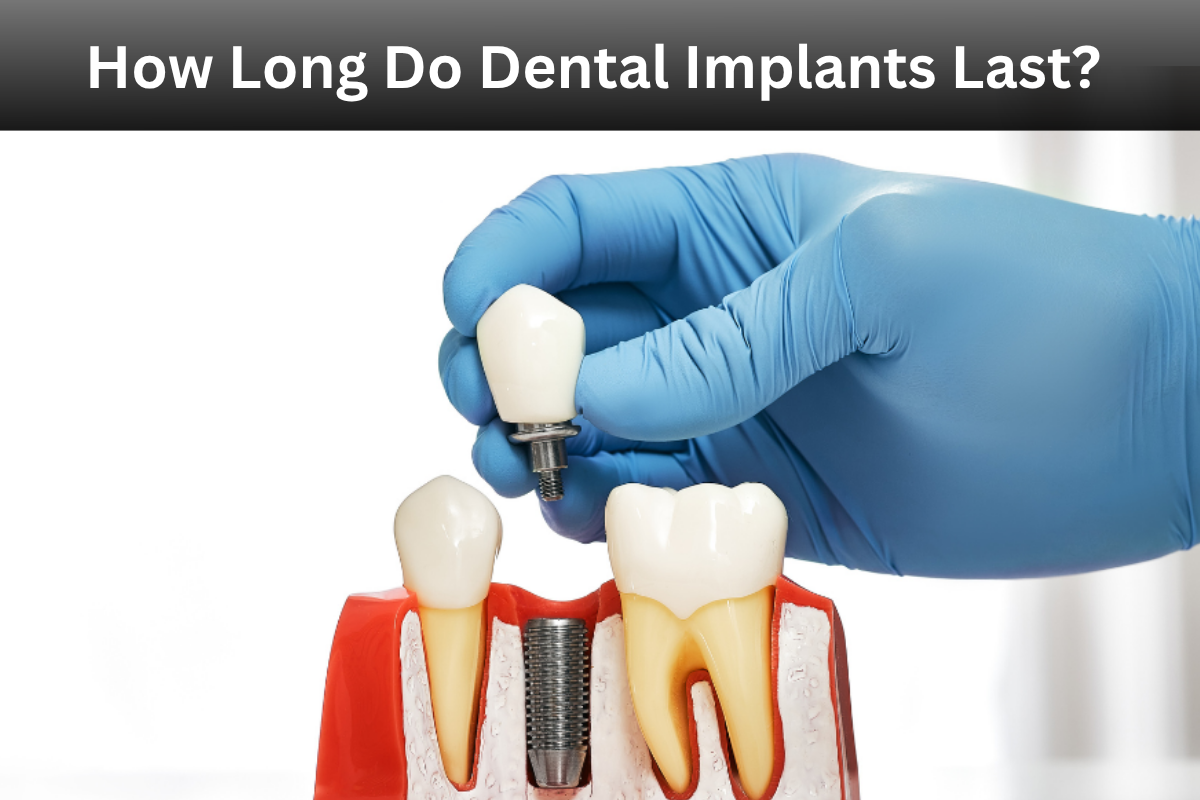
- The implant post (the part in your jawbone) can last 20+ years—or even a lifetime
- The crown (the visible tooth) typically lasts 10–15 years before needing replacement
This is why implants are known for exceptional implant durability compared to other options like bridges or dentures.
Why do they last so long?
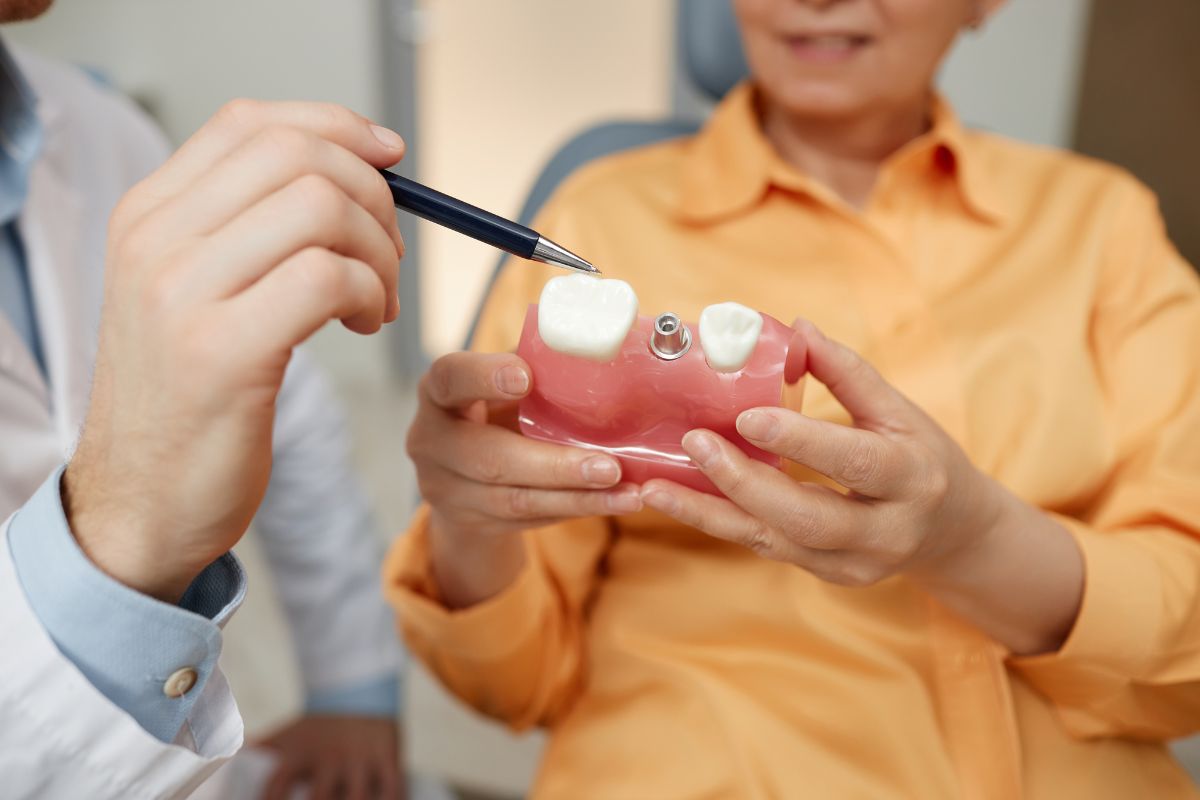
Because dental implants are designed to mimic natural tooth roots. They fuse with your jawbone through a process called osseointegration, creating a stable, long-term foundation.
What Affects How Long Dental Implants Last?
Not all implants last the same amount of time. Several factors play a big role:
1. Oral Hygiene Habits
If you brush and floss regularly, your implant can last decades. Poor hygiene can lead to peri-implantitis (similar to gum disease), which can cause failure.
2. Gum Health
Healthy gums = strong support. Untreated gum disease is one of the biggest risks to implant longevity.
3. Lifestyle Choices
Smoking, excessive alcohol use, and teeth grinding can reduce implant lifespan significantly.
4. Bite Pressure & Placement
Proper placement and bite alignment are critical. That’s why choosing an experienced dental team matters.
5. Regular Dental Visits
Routine checkups help catch small issues before they become major problems.
Why It Matters: Long-Term Cost & Peace of Mind
At first glance, dental implants may seem like a bigger investment. But over time, they often cost less than alternatives that need frequent repairs or replacements.
Think about it this way:
- Dentures may need adjustments every few years
- Bridges may need replacement within 7–10 years
- Implants? With proper care, they can last decades
For patients in Cincinnati and nearby communities like Hyde Park, Norwood, and Oakley, this long-term reliability is a major reason they choose implants.
Beyond longevity and cost savings, most patients ultimately want reassurance that dental implants will look, feel, and function like real teeth. The decision often comes down to confidence—knowing that the treatment will support a natural smile and a better quality of life for years to come.
Read this to know more- “Top Reasons to Choose Dental Implants for a Natural, Lasting Smile”
Risks of Ignoring Missing Teeth (or Choosing Temporary Fixes)
Delaying treatment or choosing short-term options can lead to:
- Progressive bone loss in the jaw
- Facial sagging or premature aging
- Increased strain on remaining teeth
- Ongoing discomfort or instability
Over time, these issues can make future treatment more complex.
Professional Insight: What to Expect with Dental Implants
When you move forward with dental implants, here’s what the journey typically looks like:
1. Consultation & Planning
Your dentist evaluates bone health and overall oral condition
2. Implant Placement
A titanium post is placed in the jawbone
3. Healing Phase (3–6 months)
The implant fuses with the bone
4. Final Restoration
A custom crown is attached for a natural look and function
At Forest Hills Family Dentistry in Cincinnati, OH, the focus is on long-term success—not quick fixes. Every step is designed to maximize durability, comfort, and natural aesthetics.
While the implant procedure itself follows a structured and predictable process, many patients in Cincinnati often find themselves most concerned about what happens after the appointment. The healing phase plays a major role in long-term success, and understanding what to expect during recovery can make the entire experience feel much more comfortable and stress-free.
Read this to know more- “What Nobody Tells You About the Healing Phase After Dental Implants in Cincinnati”
How to Make Your Dental Implants Last Longer
Want your implant to last as long as possible? Follow these simple tips:
- Brush twice daily with a soft-bristle toothbrush
- Floss daily (yes, implants still need flossing!)
- Use a non-abrasive toothpaste
- Avoid chewing ice or hard objects
- Wear a nightguard if you grind your teeth
- Schedule regular dental checkups
These small habits can dramatically extend your dental implant lifespan.
When Should You Call a Dentist?
Don’t wait if you notice:
- Bleeding or swollen gums around the implant
- Pain or discomfort when chewing
- A loose crown or unusual movement
- Persistent bad breath
These could be early warning signs that need professional attention.
Ready for a Long-Term Tooth Replacement?
If you’re tired of temporary fixes and want something that truly lasts, dental implants may be the solution you’ve been looking for.
At Forest Hills Family Dentistry, we help patients across Cincinnati find reliable, long-term solutions for missing teeth—without confusion or pressure.
Call our office today to speak with our team Or schedule your consultation online to explore your options.
A healthier, more confident smile could be closer than you think.
Frequently Asked Questions (FAQs)
1. Can dental implants last a lifetime?
Yes, the implant post can last a lifetime with proper care. However, the crown may need replacement after 10–15 years.
2. What is the biggest cause of implant failure?
Poor oral hygiene and gum disease are the leading causes of implant failure.
3. Are dental implants better than dentures long-term?
In many cases, yes. Implants offer better stability, bone preservation, and long-term durability.
4. Do dental implants require special care?
Not really—just consistent brushing, flossing, and regular dental visits.
5. Is the implant procedure painful?
Most patients report minimal discomfort. The procedure is typically done with local anesthesia.
6. How do I know if I’m a good candidate?
You’ll need healthy gums and sufficient bone density. A consultation can confirm this.
7. Can smokers get dental implants?
Yes, but smoking increases the risk of complications and may reduce lifespan.
8. How soon can I eat normally after implants?
Soft foods are recommended initially, with a gradual return to normal eating as healing progresses.
Final Thoughts
Dental implants aren’t just about replacing a missing tooth—they’re about investing in your long-term health, confidence, and quality of life.
With the right care and professional guidance, they can be one of the most reliable solutions available today.