You look in the mirror and see teeth that are worn, gapped, discolored, or loose and somewhere in the back of your mind, a voice says, “Implants probably aren’t even an option for me anymore.”
That belief keeps thousands of people stuck for years, quietly avoiding photos, chewing on one side of their mouth, or turning down invitations because they’re embarrassed to smile. Here’s the truth: having bad teeth is usually the reason people need implants, not the reason they can’t get them. Understanding dental implants for bad teeth starts with separating the myths from what actually determines candidacy.
Why “Bad Teeth” Feels Like a Dead End
Most patients who ask this question have spent years dealing with one or more of the following: deep cavities, cracked or broken teeth, gum disease, receding gums, or teeth that have simply worn down from grinding and age. By the time they’re researching implants, they’ve often been told by a previous dentist that their mouth is “too far gone” for anything but dentures.
That advice isn’t necessarily wrong but it’s incomplete. Modern implant dentistry was built for exactly this situation. Bone grafting, gum therapy, and full-arch techniques exist specifically because so many implant candidates arrive with damaged teeth, not pristine ones.
Why This Question Matters More Than You’d Think
Delaying treatment because you assume you’re not a candidate can quietly make your situation worse. Every month a failing tooth stays in place, it can continue to affect the bone underneath it, the gum tissue around it, and even the alignment and bite pressure on your remaining teeth.
If you’re wondering whether waiting a few months—or even a few years—really makes a difference, our article “What Happens If You Don’t Replace a Missing Tooth? The 5-Year Reality” explains how untreated tooth loss can affect your jawbone, neighboring teeth, bite, and long-term oral health.
This isn’t just about appearance. Oral health is closely tied to overall health, untreated gum disease and tooth decay have been linked to issues well beyond the mouth, including cardiovascular and metabolic health. Getting an accurate answer sooner, rather than assuming the worst, protects more than your smile.
Did You Know?
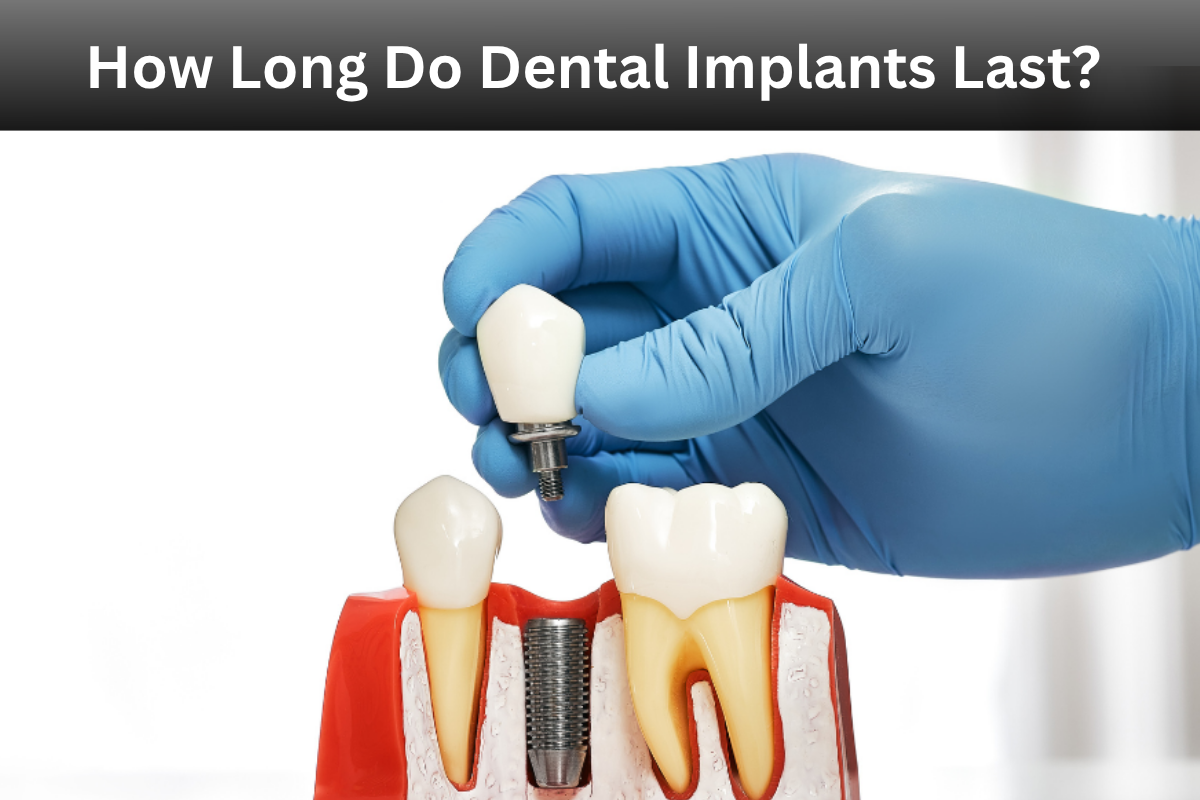
Dental implants don’t require healthy teeth – they require enough healthy bone (or bone that can be rebuilt) to anchor a titanium post. That means patients with periodontal disease, receding gums, bone loss, or even no remaining teeth are frequently still candidates once the underlying issue is treated first.
The Risks of Waiting or Guessing – Instead of Getting Evaluated
Trying to self-diagnose your own candidacy from home is where most of the anxiety around this topic comes from. A few common (and costly) mistakes we see:
- Assuming gum disease automatically disqualifies you, when in most cases it simply needs to be treated and stabilized first.
- Waiting years to “see if it gets better,” which often allows bone loss to progress and limits future options.
- Choosing a cheaper, temporary fix out of fear of rejection, without ever getting a professional opinion.
- Believing that having no teeth left rules out implants, when full-arch implant solutions are designed for exactly that scenario.
What Actually Determines Implant Candidacy
Implant candidacy comes down to three things: available bone, healthy (or treatable) gum tissue, and overall health that supports healing. Bad teeth rarely disqualify a patient on their own, they’re usually the reason treatment is needed in the first place.
If gum disease is present, it’s treated first through deep cleaning or periodontal therapy so the tissue is stable before any implant is placed. If bone loss has occurred, which is common after missing teeth for a long period a bone graft can rebuild the area over a few months, creating a solid foundation. And for patients with no teeth remaining, full-arch implant-supported solutions are specifically engineered to replace an entire set of teeth on just a few strategically placed implants.
Once patients learn they’re candidates, one of the next questions is how long implants can realistically last. Our guide “How Long Do Dental Implants Last? Lifespan, Care & What to Expect” explains what affects implant longevity, daily maintenance, and why many implants can remain successful for decades with proper care.
Common Concerns vs. What’s Actually Possible
A quick reference for the scenarios patients ask about most:
| If You Have… | What It Usually Means for Implants |
|---|---|
| Receding gums | Treatable in most cases; gum health is stabilized first, then implant placement is evaluated. |
| Bone loss | A bone graft can often rebuild the area, creating a strong base for the implant over time. |
| Periodontal (gum) disease | Treated and controlled first; many patients qualify once the infection is resolved. |
| No teeth remaining | Full-arch implant solutions are designed specifically for this situation. |
| Several broken or decayed teeth | Often the exact reason implants are recommended over repeated repairs. |
Evaluated Right Here in Cincinnati
At Forest Hills Family Dentistry, we see this exact situation regularly patients from Anderson Township, Forest Hills, and the greater Cincinnati east side who’ve been putting off treatment because they assumed the damage was too extensive. With 3D imaging and guided implant planning available in our Nimitzview Drive office, candidacy isn’t a guess. It’s mapped out precisely, so you know exactly where you stand before any decision is made.
Being a local, established Cincinnati practice also means your treatment plan accounts for the full picture gum therapy, extractions, bone grafting, and implant placement can often be coordinated under one roof instead of being bounced between separate specialists.
What Patients Are Saying
⭐⭐⭐⭐⭐ Gloria Gillespie
“The staff is very welcoming and Dr. Dorsch is the most caring and professional Dentist. I have been coming to this office for many years and would highly recommend this office to anyone. Dr. Dorsch is Top Notch in his field. Don’t just settle for anyone, get the BEST!”
Gloria’s experience reflects what many patients appreciate about Forest Hills Family Dentistry, a welcoming team, compassionate care, and the confidence that comes from being treated by an experienced dentist who takes the time to do things right. Whether you’re exploring dental implants or another restorative solution, you’ll receive personalized recommendations based on your unique needs rather than a one-size-fits-all approach.
Read more Google reviews to see why so many Cincinnati patients trust Forest Hills Family Dentistry for their dental care.
Meet Dr. Bradley A. Dorsch
Dr. Dorsch has built his approach around patient education, taking the time to explain not just what treatment is needed, but why, so patients feel informed rather than overwhelmed. Patients consistently mention his meticulous, detail-oriented approach and willingness to answer every question before moving forward. Schedule a consultation with Dr. Dorsch to find out exactly where your smile stands no assumptions, no judgment.

Ready to Find Out Where You Stand?
A short consultation including imaging gives you a real answer, not a guess. If implants aren’t the right fit yet, we’ll walk you through exactly what needs to happen first. Call us to book an appointment online to get started.
Signs You Might Still Be a Candidate
If any of the following sound familiar, it’s worth getting a professional evaluation before ruling implants out:
- You have gum disease that hasn’t been treated, or think you might.
- You’ve lost teeth years ago and assumed the bone was “too far gone.”
- You’re missing all or most of your teeth and think dentures are your only option.
- You’ve been told “no” before, but it’s been more than a year or two since that evaluation.
- You’re avoiding photos, certain foods, or social situations because of how your teeth look or feel.
Your Smile Deserves a Real Answer, Not a Guess
Forest Hills Family Dentistry offers 3D-guided implant planning right here in Cincinnati, so you’ll know exactly what’s possible before you commit to anything.
Request your appointment today and take the first real step toward a smile you’re not embarrassed by.
Frequently Asked Questions
Can you get dental implants if you have receding gums?
In most cases, yes. Receding gums are treated and stabilized first through deep cleaning, gum therapy, or in some cases minor grafting and once the tissue is healthy, implant placement can typically move forward.
Can you get dental implants if you have no teeth?
Yes. Full-arch implant solutions are specifically designed for patients with no remaining teeth, replacing an entire arch using a small number of strategically placed implants.
Can you get dental implants if you have bone loss?
Often, yes. Bone grafting can rebuild lost bone over a period of months, creating enough of a foundation to support an implant. The right approach depends on how much bone loss has occurred.
Can you get dental implants with periodontal disease?
Active gum disease needs to be treated and brought under control first. Once the infection is resolved and tissue is stable, many patients with a history of periodontal disease do qualify for implants.
How do I know if I’m actually a candidate for dental implants?
The only reliable way is a professional evaluation, which usually includes 3D imaging to assess bone density and gum health. This gives a precise answer instead of a guess.
Is it too late to get implants if I’ve waited years to see a dentist?
Rarely. While waiting can allow bone loss to progress, treatments like bone grafting exist specifically to address this. It’s almost always worth getting evaluated before assuming it’s too late.
Do implants work the same way for someone with several damaged teeth?
Yes, in fact, this is one of the most common reasons implants are recommended, since replacing repeatedly failing teeth is often more predictable long-term than continuing to repair them.
What’s the first step if I think I might need implants?
Scheduling a consultation with imaging is the first step. From there, your dentist can map out whether you’re ready for implants now or what needs to happen first.