You’re at a family dinner, laughing at something your cousin said, and you catch yourself covering your mouth out of habit. It’s been months since that back molar came out, and at first, it didn’t seem like a big deal. No pain, no problem, right?
Here’s the part most people don’t expect: missing tooth consequences rarely stay confined to “just a gap.” What starts as a small empty space can quietly reshape your bite, your jawbone, and even the lower half of your face over the next several years. If you’ve been putting off a visit to a Cincinnati dentist because the tooth “doesn’t bother you,” this is the article that explains what’s really happening underneath the surface — and what you can do about it before the 5-year mark arrives.
The Problem: Why “I’ll Deal With It Later” Doesn’t Work
When a tooth is lost, the body doesn’t just leave a polite, stable gap. The jawbone that once supported that tooth’s root relied on the constant pressure of chewing to stay strong. Without that stimulation, the bone begins to shrink — a process dentists call resorption. This isn’t a rare complication. It’s the expected outcome any time a missing tooth treatment is delayed.
Meanwhile, your other teeth notice the empty space too. Nearby teeth can drift sideways or tip into the gap, and the tooth directly above or below may slowly shift downward or upward looking for something to bite against. None of this happens overnight, which is exactly why it’s so easy to underestimate.
Why It Matters: The 5-Year Timeline of Missing Tooth Consequences
Here’s a realistic look at how a single missing tooth tends to play out if it’s left untreated.
Months 1-6: The Quiet Beginning
Bone loss in the jaw can begin within the first few months after extraction or tooth loss. There’s usually no pain, which is part of the problem — nothing visibly signals that change is underway.
Year 1-2: Shifting and Strain
Neighboring teeth begin to tilt toward the open space. The opposing tooth may start to over-erupt. You might notice new pressure points when chewing, or food getting trapped in ways it never did before.
Year 3-4: Bite and Jaw Changes
As bone volume decreases and teeth continue shifting, your bite alignment can change. Some patients develop jaw discomfort or notice their face looking slightly different around the cheek or jawline on the affected side.
Year 5: Compounding Complications
By this stage, replacing the tooth often requires addressing bone loss as well — sometimes with a bone graft — before a dental implant can be placed. Gum disease risk also increases, since shifted teeth create new areas that are harder to clean with daily oral hygiene.
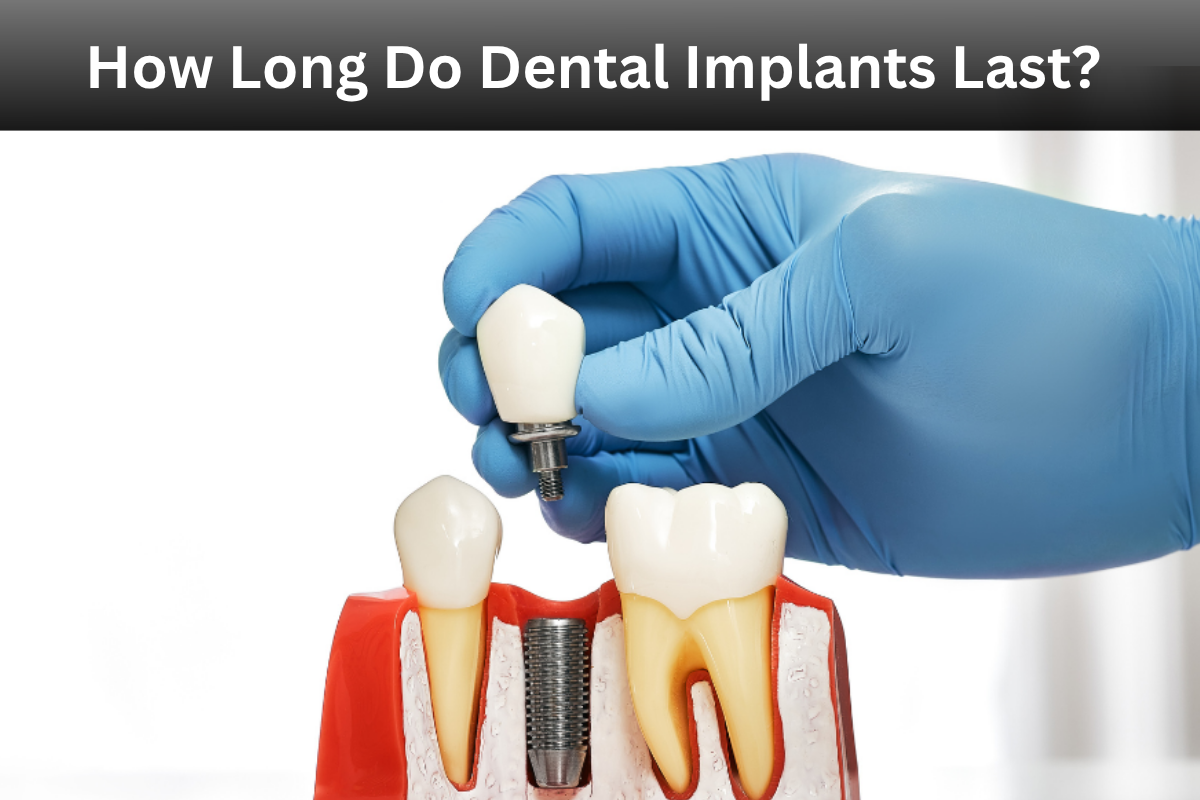
Many patients worry about whether replacing a missing tooth is worth the investment. The reality is that modern dental implants are designed to be a long-term solution when properly maintained. Learn more in our article “How Long Do Dental Implants Last? Lifespan, Care & What to Expect” to understand what affects implant longevity and how to protect your new smile for decades.
Did You Know?
Up to 25% of jawbone width in the area of a missing tooth can be lost within the first year alone, according to oral health research. This is one reason early missing tooth replacement tends to be simpler, faster, and less costly than waiting.
The Risks of Waiting: What’s Really at Stake
Tooth loss consequences extend beyond the empty space itself. Here’s what tends to develop the longer a missing tooth treatment is postponed:
- Accelerated jaw bone loss — the supporting bone shrinks without the stimulation a tooth root provides, which can change facial structure over time.
- Shifting and crowded teeth — neighboring teeth drift into the open space, affecting bite alignment and making cleaning more difficult.
- Higher risk of gum disease — new gaps and overlaps create plaque traps that are easy to miss with a toothbrush.
- Uneven wear on remaining teeth — your bite redistributes force onto fewer teeth, which can lead to cracks, sensitivity, or further tooth decay.
- Changes to facial appearance — reduced bone volume can create a sunken look in the cheeks or jawline near the missing tooth.
- Fewer replacement options later — significant bone loss may require a bone graft before a dental implant can be placed.
Professional Solutions: Comparing Your Tooth Replacement Options
The good news is that missing tooth complications are highly preventable. Modern restorative dentistry offers several reliable paths back to a full, functional smile. Here’s a quick comparison to help you understand where each option fits.
| Option | Lifespan | Bone Health Impact |
| Dental Implant | 20+ years, often lifelong | Preserves jawbone by replacing the root |
| Dental Bridge | 10-15 years | Relies on neighboring teeth; does not stop bone loss |
| Removable Partial Denture | 5-8 years | Does not prevent bone resorption |
| Doing Nothing | N/A | Bone loss begins within months and accelerates over years |
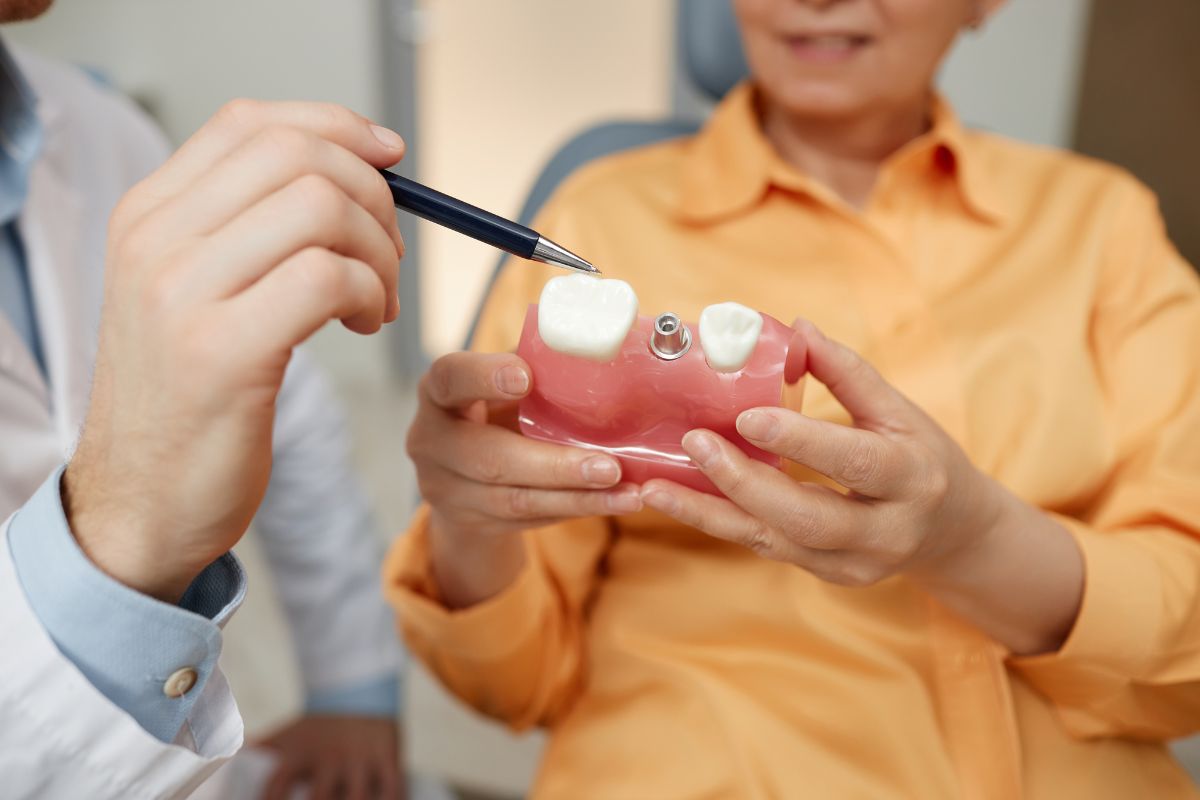
For most patients dealing with a single missing tooth, a dental implant is considered the closest replacement to a natural tooth root because it’s the only option that directly addresses jaw bone loss. A dental bridge can still be an effective, time-tested solution depending on the condition of the neighboring teeth and your overall treatment goals. During a consultation, your dentist can walk through dental bridge vs implant considerations specific to your mouth, budget, and timeline.
If you’re exploring ways to replace a missing tooth while maintaining a natural appearance, our guide “Restoring Your Smile With Natural-Looking Replacement Teeth” explains the modern restorative options available and how dentists create results that blend seamlessly with your existing smile.
What Our Patients Say
⭐⭐⭐⭐⭐ Nancy Rack
“Dr Reidy is a wonderful dentist who cares about his patients. The office personnel are also friendly and helpful.”
Patients throughout Cincinnati appreciate not only the quality of care they receive at Forest Hills Family Dentistry, but also the welcoming environment created by our entire team. Whether you’re exploring dental implants, a bridge, or other tooth replacement options, we take the time to answer questions, explain treatment recommendations, and help you make informed decisions about your oral health.
Read more Google reviews to see why so many local families trust Forest Hills Family Dentistry with their smiles.
See what other patients are saying on our Google reviews — we keep our reputation honest, one visit at a time.
Don’t Let Another Year Pass
A short consultation today can help you avoid the bone loss, shifting teeth, and added cost that often come with waiting. Forest Hills Family Dentistry offers flexible scheduling for Cincinnati-area patients. Call Forest Hills Family Dentistry to Book Your Consultation!
What to Expect at Your Consultation
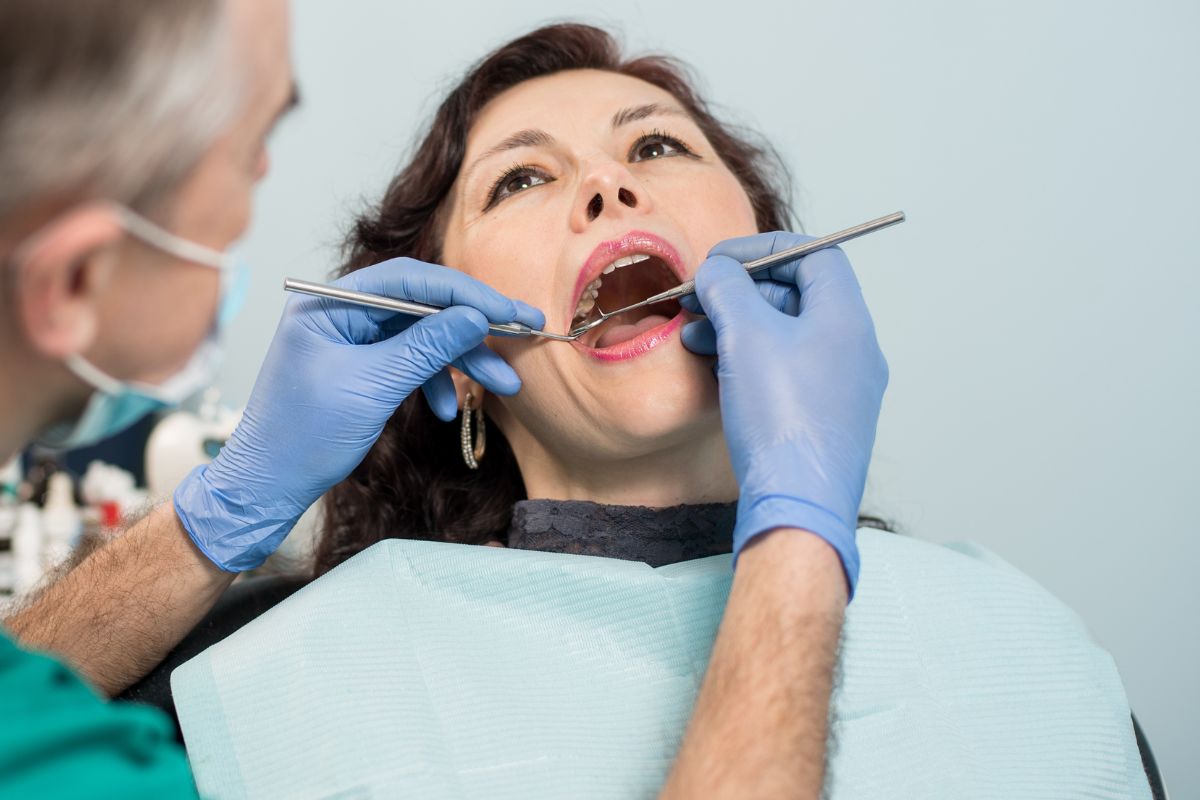
If you’re considering missing tooth replacement, your first visit is mostly about information — not commitment. Expect a gentle exam, a discussion of your current bone density and gum health, and a clear walkthrough of which tooth replacement options realistically fit your situation.
This is also the time to ask about how your overall oral hygiene and bite alignment may be affected, and whether any early signs of gum disease or enamel wear have already started around the gap. Catching these early often means a simpler, less invasive path forward.
Wondering what happens after implant placement? Our article “What Nobody Tells You About the Healing Phase After Dental Implants in Cincinnati” walks through the recovery process, healing milestones, and practical tips to help patients feel more confident about treatment.
Local Care, Close to Home
Forest Hills Family Dentistry has worked with patients throughout Cincinnati and the surrounding neighborhoods who are navigating exactly this decision — whether to replace a missing tooth now or wait. Being part of this community means we see the long-term outcomes, and that’s exactly why we encourage addressing a missing tooth sooner rather than later.
Frequently Asked Questions
1. What happens if I don’t replace a missing tooth right away?
Nearby teeth may begin shifting and the jawbone in that area can start to shrink within months, even though you may not feel any pain or notice changes at first.
2. How quickly does jaw bone loss start after losing a tooth?
Bone resorption can begin within the first few months after tooth loss and tends to progress most quickly during the first year.
3. Is a dental implant always better than a bridge?
Not always — it depends on your bone health, the condition of neighboring teeth, and your goals. A dental implant addresses bone loss directly, while a bridge vs implant decision often comes down to your specific dental anatomy.
4. Can a missing tooth affect my other teeth?
Yes. Neighboring teeth can drift into the open space and the opposing tooth may shift, which can affect bite alignment and increase wear on remaining teeth.
5. Does losing one tooth really change my face shape?
Over several years, yes — reduced jawbone volume in that area can lead to a subtle sunken appearance along the cheek or jawline.
6. What are my tooth replacement options for a single missing tooth?
Common options include a dental implant, a dental bridge, or a removable partial denture, each with different lifespans and impacts on jawbone health.
7. Is it too late to replace a tooth I lost years ago?
It’s rarely too late. Even with significant bone loss, options like bone grafting combined with a dental implant can often restore a stable foundation.
8. How do I know if I’m dealing with missing tooth complications already?
Signs include shifting or loose-feeling teeth nearby, new gaps appearing, changes in your bite, or increased sensitivity — a dental exam can confirm what’s happening beneath the surface.
Ready to Stop the 5-Year Clock?
Every month you wait is a month your jawbone and smile keep changing. Forest Hills Family Dentistry is here to help Cincinnati patients find the right missing tooth replacement — with honest guidance, not pressure. Schedule Your Visit at Forest Hills Family Dentistry Today!