
Dental implants are one of the most reliable solutions for replacing missing teeth. They not only restore your smile but also improve chewing, speaking, and long-term oral health. But one of the most common questions patients ask is: “How long does it take to recover from dental implants?”
The answer depends on several factors, including your overall health, the number of implants placed, and how well you care for your mouth afterward. In this guide, we’ll break down the recovery timeline, what to expect at each stage, and how to ensure smooth healing.
Understanding the Dental Implant Process
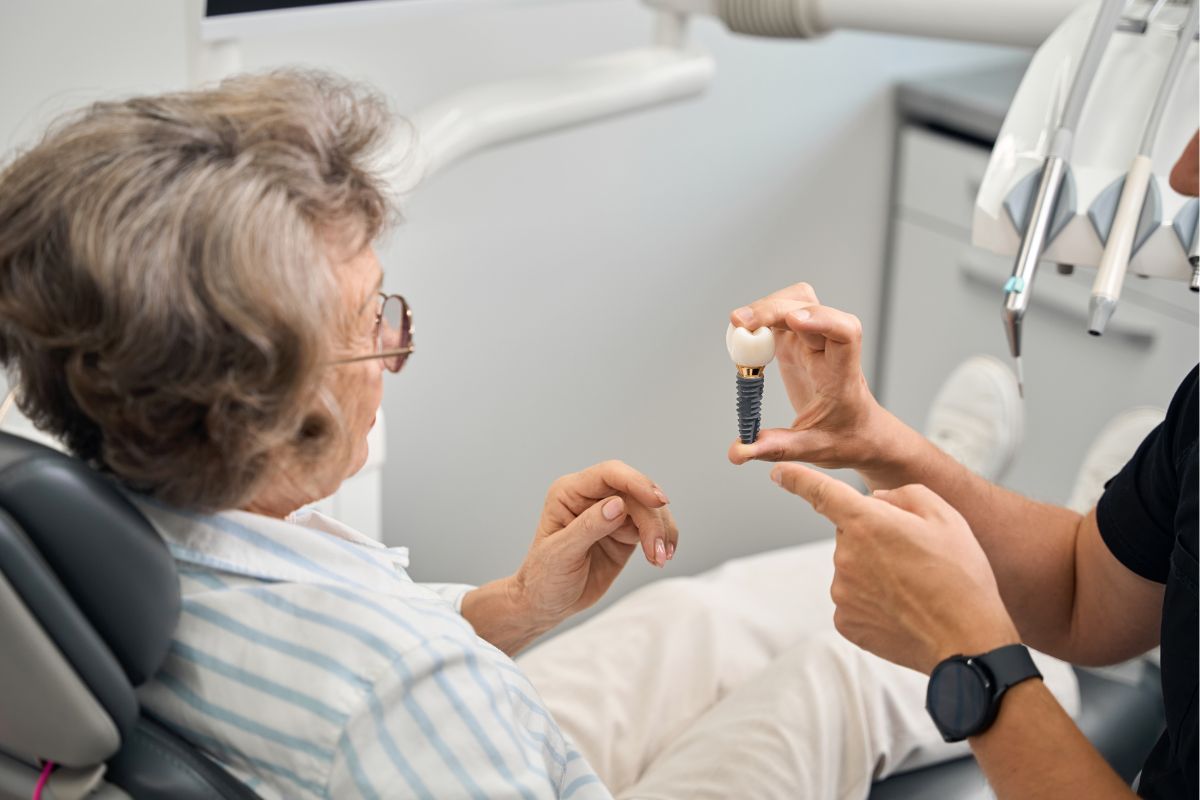
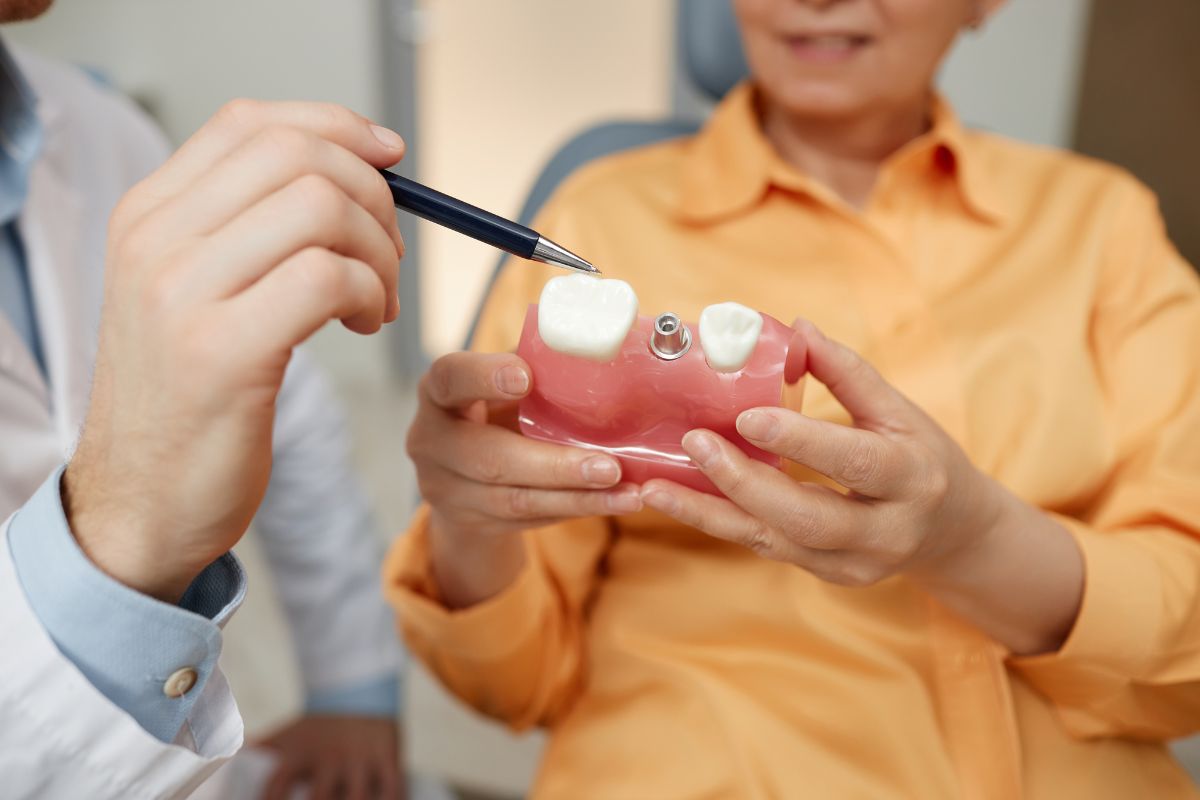
Before diving into recovery, it helps to understand what happens during the procedure. A dental implant is a titanium post placed into the jawbone, acting as a replacement root. Once it heals and bonds with the bone—a process called osseointegration—a crown or bridge is attached to complete your new smile.
Because the implant integrates with bone, healing takes more time compared to other tooth replacement options.
The Typical Recovery Timeline
Healing from dental implants isn’t the same for everyone, but most patients can expect these general stages:
First 24–48 Hours
-
Mild swelling, soreness, or minor bleeding is common.
-
Soft foods and plenty of rest are recommended.
-
Over-the-counter or prescribed pain relievers usually manage discomfort.
First Week
-
Most patients feel significantly better within 5–7 days.
-
Stitches (if placed) may begin dissolving or be removed by your dentist.
-
You can typically resume normal daily activities, but heavy exercise should be avoided.
2–6 Weeks
-
The gums heal around the implant site.
-
Tenderness should continue to decrease.
-
Patients can usually return to their regular diet, with caution for very hard or sticky foods.
3–6 Months
-
The implant fuses with the jawbone in the osseointegration phase.
-
This stage is critical for long-term success.
-
Once healing is complete, your dentist attaches the permanent crown or restoration.
Factors That Affect Recovery Time
While most patients follow the timeline above, several factors can influence healing:
-
Overall health: Conditions like diabetes or smoking may slow recovery.
-
Bone density: Patients with strong jawbone structure often heal more quickly.
-
Number of implants: Multiple implants may require more healing time.
-
Aftercare habits: Following your dentist’s instructions closely helps avoid complications.
Tips for a Smooth Recovery
To promote healing and reduce the risk of infection, your dentists in Cincinnati may recommend:
-
Sticking to soft foods during the first week
-
Avoiding alcohol, smoking, and straws (to prevent dislodging blood clots)
-
Brushing gently around the surgical site
-
Using a saltwater rinse to keep the area clean
-
Attending follow-up visits to monitor healing
Good oral hygiene and healthy lifestyle choices can speed up recovery and ensure implant success.
When to Call Your Dentist
While discomfort and swelling are normal in the first few days, you should contact your provider if you notice:
-
Severe or worsening pain
-
Excessive bleeding
-
Signs of infection (pus, fever, or foul odor)
-
Implants that feel loose
Prompt care ensures any issue is handled before it becomes serious.
Final Thoughts
So, how long does it take to recover from dental implants? Most patients feel back to normal within a week, but full healing takes three to six months as the implant bonds with the jawbone. The exact timeline depends on your health, treatment plan, and how well you care for your mouth during recovery.
Ready to Restore Your Smile?
If you’re considering dental implants in Cincinnati, the team at Forest Hills Family Dentistry can guide you through every step—from consultation to recovery. Schedule a visit today to learn if implants are right for you and start your journey toward a healthier, lasting smile.