You Scrub Harder to Get Cleaner Teeth. What If It Backfires?
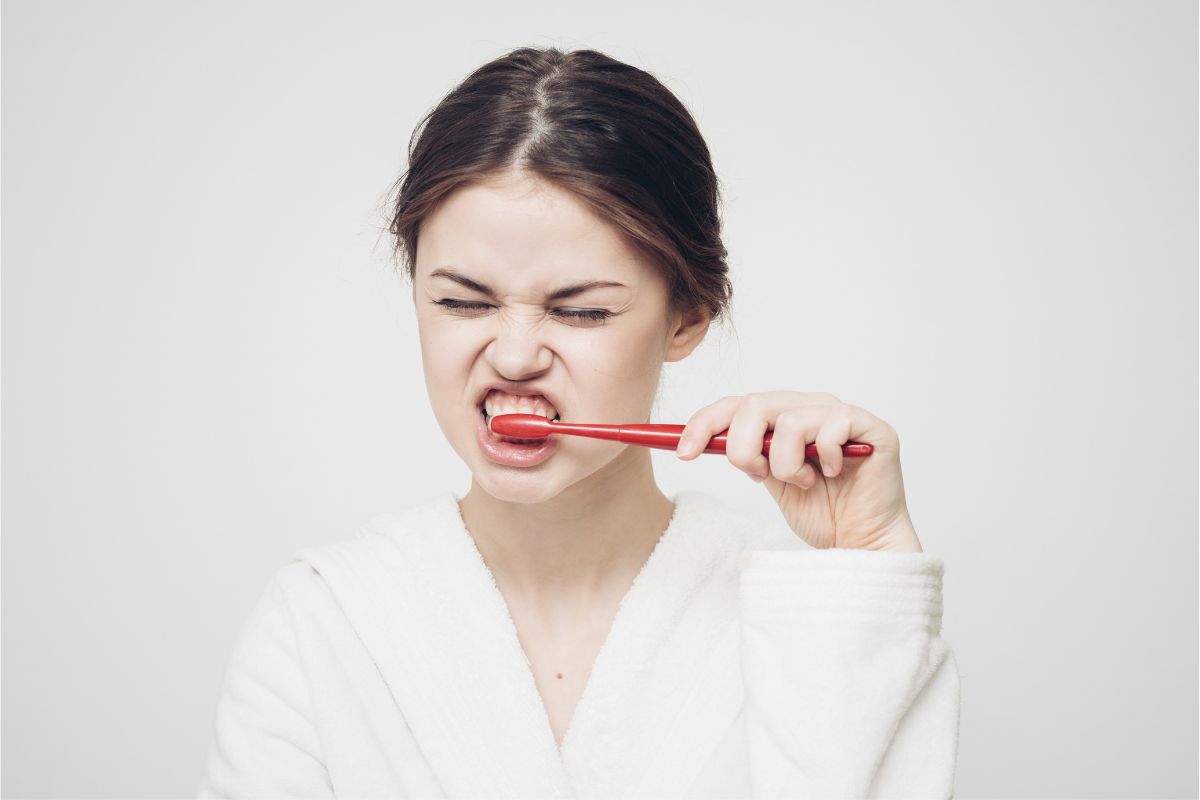
You finish brushing, run your tongue over your teeth, and they feel squeaky clean. So you figure the harder you scrub, the better the job. Sounds logical, right?
Here’s the twist. Can brushing too hard damage teeth? Yes, it can. Plenty of well-meaning people are slowly wearing away the very enamel they’re trying to protect, and most never notice until a sip of cold water makes them wince.
The good news is that this habit is easy to change once you know what to look for. Our team at Forest Hills Family Dentistry sees it often with patients from Cincinnati, Anderson Township, and the east side. Usually it’s a small technique tweak, not a big overhaul. Let’s walk through what’s really going on.
Can Brushing Too Hard Damage Teeth? Here’s What Really Happens
Yes, brushing too hard can damage teeth. Heavy pressure and stiff bristles wear down enamel, the protective outer layer of each tooth, and can push gum tissue away from the root. Professional dentists call this toothbrush abrasion. Over time it may cause sensitivity, notches near the gumline, and gum recession that does not grow back.
How Toothbrush Abrasion Wears Down Enamel
Enamel is the hardest substance in your body. But it has no living cells, so it can’t repair itself once it’s gone.
When you brush with a lot of force, especially with a firm brush and a gritty toothpaste, it acts a bit like fine sandpaper. One scrub won’t hurt anything. Thousands of hard scrubs over many years will. The wear usually shows up right where the tooth meets the gum, because the enamel is thinnest there.
Receding Gums From Brushing
Your gums act like a protective collar around each tooth root. Hard, side-to-side scrubbing can irritate and thin that tissue until it slowly pulls back.
As the gums move up, teeth start to look longer. The root surface, which is softer and more yellow than enamel, begins to show. Brushing isn’t the only cause of recession, though. Gum disease, genetics, thin gum tissue, teeth grinding, and past orthodontic work can all play a part, which is why a proper exam matters.
Why Sensitivity Often Shows Up First
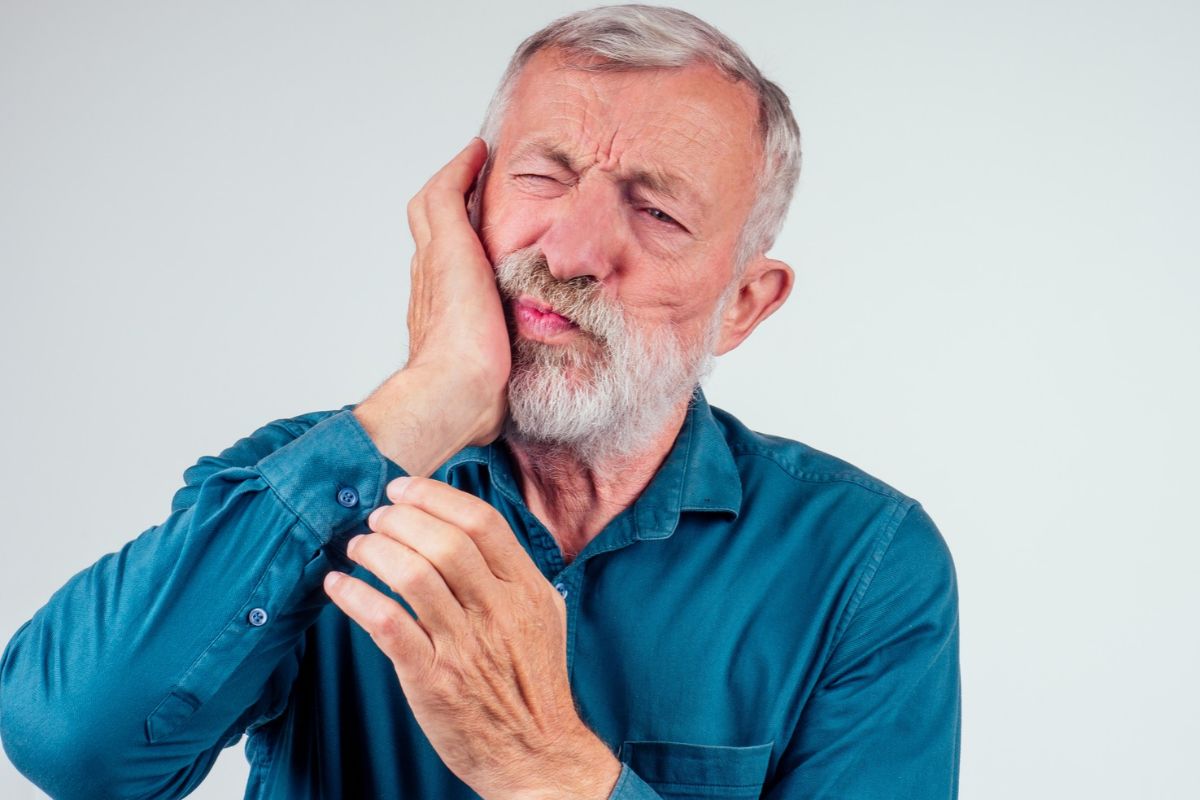
Once enamel thins or the root is exposed, tiny channels in the layer underneath (called dentin) lead closer to the nerve. Cold air, ice water, hot coffee, and sweets can suddenly sting. Many people assume that zing means a cavity. Sometimes it’s actually wear from brushing.
| Did You Know? Dentists can often spot a heavy-handed brusher by the pattern. Wear and recession tend to be more noticeable on one side of the mouth, usually matching the hand you brush with. |
Signs You May Be Brushing Too Hard
Not sure where you land? Watch for these clues:
- Flared, frayed bristles. If your brush looks splayed out well before the three-month mark, you’re likely pressing too hard.
- Sensitivity near the gumline. Cold, hot, or sweet triggers that fade quickly are a common early sign.
- Teeth that look longer. Gums that seem to have crept upward may be receding.
- Notches or shiny, flat spots along the edge where tooth meets gum.
- Sore gums after brushing. Bleeding can also mean plaque-related gum inflammation, so don’t assume. Have it checked.
Brushing Damage vs. Other Causes of Tooth Wear
Tooth wear has more than one cause, and they can overlap. This quick comparison shows how they differ:
| Cause | What Drives It | Where It Shows Up | Typical Clue |
|---|---|---|---|
| Toothbrush abrasion | Heavy pressure, stiff bristles, gritty toothpaste | Near the gumline, often worse on one side | Flat or V-shaped notches, sensitivity, receding gums |
| Acid erosion | Soda, citrus, sports drinks, acid reflux | Chewing surfaces and tooth edges | Smooth, glossy, thinning enamel; cupped-out spots |
| Grinding (attrition) | Clenching or grinding, often at night | Biting edges and chewing surfaces | Flat or chipped edges, jaw soreness, morning headaches |
| Gum disease | Plaque and bacteria below the gumline | Around many teeth at once | Red, puffy, bleeding gums; bad breath |
Why This Everyday Habit Matters More Than You Think
Lost Enamel Doesn’t Grow Back
Fluoride can strengthen weakened enamel, but nothing can rebuild enamel that has worn away. That’s why catching abrasion early makes such a difference to your long-term oral health.
Gum Recession Is Permanent
Gum tissue doesn’t regrow on its own. The goal is to stop further recession, protect the exposed root, and, when needed, discuss options for restoring coverage.
Your Smile Appearance Can Change
Receding gums and worn notches can make teeth look longer and slightly darker, since the dentin underneath is yellower than enamel. For many people, that’s the moment they realize something has changed.
The Risks of Ignoring Hard-Brushing Damage
A little wear may seem harmless. But left alone, it can snowball:
- Lingering sensitivity that makes cold drinks, and even brushing itself, uncomfortable.
- Root decay. Exposed roots lack a hard enamel shield, so tooth decay can take hold faster.
- Plaque traps. Worn notches collect plaque more easily, making good oral hygiene harder.
- Weakened tooth structure. Deeper wear can eventually call for restorative dentistry, such as bonding, onlays, or dental crowns.
- Cosmetic changes, like an uneven gumline and longer-looking teeth.
How a Cincinnati Dentist Can Stop the Damage and Protect Your Smile
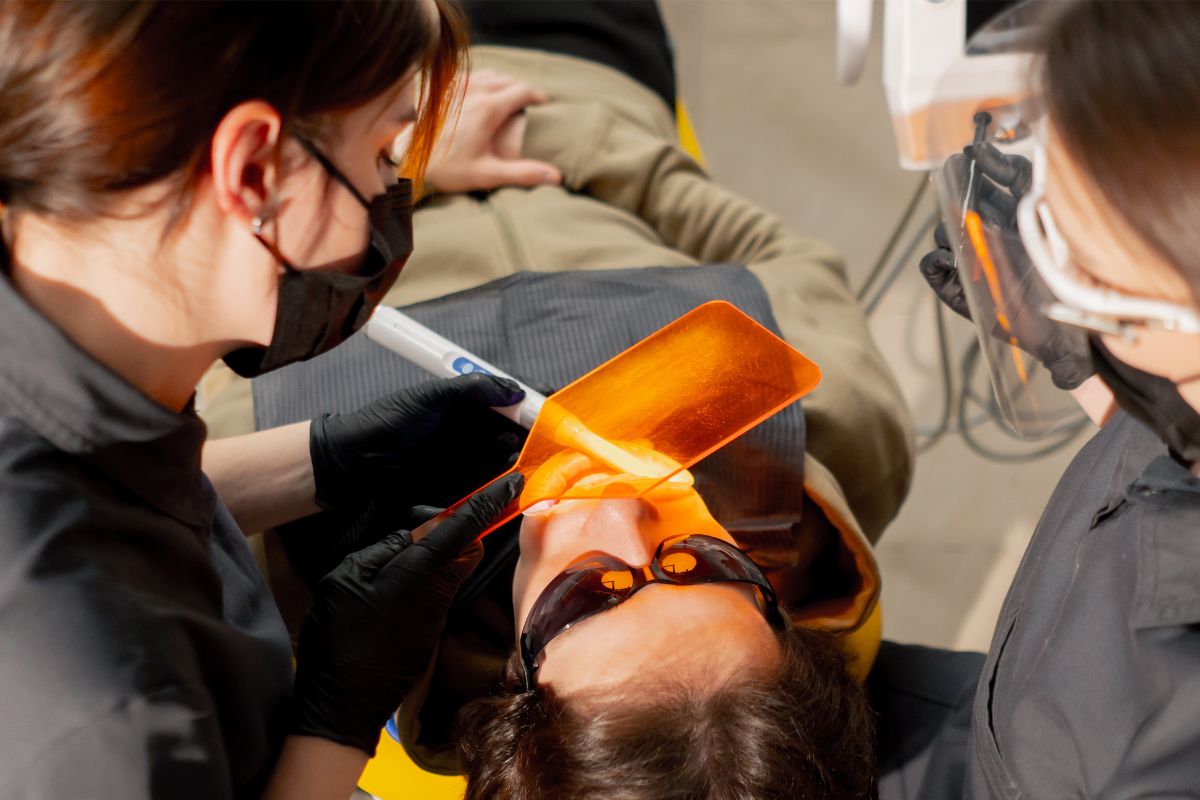
The earlier we catch toothbrush abrasion, the easier it is to slow it down. At a visit, we typically focus on:
- A close look at wear and gum levels. Digital X-rays and an intra-oral camera show us areas you can’t see in the mirror.
- A technique check. We watch how you brush and adjust pressure, angle, and timing.
- Sensitivity relief. Desensitizing treatments and fluoride can calm irritated teeth and strengthen enamel.
- Protective restorations. Tooth-colored bonding or fillings can shield worn notches and cover exposed root surfaces.
- A night guard when needed, if grinding is adding to the wear.
- Further care for advanced cases. Heavily worn teeth may benefit from onlays or crowns, and significant recession may call for a gum specialist referral.
Your Gentler Brushing Routine at Home
You don’t have to brush less. You just have to brush smarter:
- Choose a soft-bristled brush. Medium and hard bristles add wear without cleaning better.
- Hold it like a pencil, not a fist. A lighter grip naturally reduces pressure.
- Use small, gentle circles with the bristles angled toward the gumline. Skip the aggressive back-and-forth scrubbing.
- Let the brush do the work for two minutes, twice a day.
- Consider an electric brush with a pressure sensor if you tend to press hard.
- Wait at least 30 minutes after acidic foods or drinks before brushing.
- Replace your brush every three to four months, or sooner if the bristles flare.
Plaque is soft. It lifts off with gentle, thorough brushing and daily flossing, so extra muscle adds risk without adding results. Not sure about your toothpaste? Ask us about low-abrasion options at your next cleaning. Schedule an appointment now!
Frequently Asked Questions About Brushing Too Hard
1. How do I know if I’m brushing too hard?
Look for flared bristles after only a few weeks, sensitivity near the gumline, gums that look pulled back, or small notches by the gumline. A dental exam can confirm whether your brushing is causing wear.
2. Can brushing too hard cause receding gums?
It can contribute. Aggressive scrubbing can irritate and thin gum tissue over time. Gum disease, genetics, and grinding can also cause recession, so a dentist should look at the full picture.
3. Can brushing too hard wear away enamel for good?
Yes. Enamel has no living cells and can’t regenerate. Fluoride can strengthen weakened enamel, but it can’t replace what’s worn away, so prevention matters most.
4. Does brushing harder remove more plaque?
No. Plaque is soft and comes off with gentle, thorough brushing. Extra pressure mostly adds wear to your enamel and gums without cleaning better.
5. Is a soft or hard toothbrush better for my teeth?
A soft-bristled brush is the safest choice for most people. Firmer bristles can wear enamel and irritate gums without improving cleaning.
6. Is an electric toothbrush better if I brush too hard?
It can help. Many electric brushes have pressure sensors that alert you when you press too hard. Technique still matters, so let the brush glide rather than push.
7. Can receding gums from brushing grow back?
Gum tissue doesn’t regrow on its own. Gentler brushing can stop things from getting worse, and a dentist can discuss options like bonding or a referral for gum grafting if needed.
8. When should I see a dentist about worn teeth or sensitivity?
Schedule a visit if sensitivity lasts more than a few days, your gums look like they’re moving back, or you spot notches near the gumline. Early care usually means simpler treatment.