The Part Most Patients Worry About (But Rarely Discuss) – Getting dental implants is exciting. You’re finally moving toward a stronger, more confident smile. However, once the procedure is over and you head home, a new question often appears: “What happens now?”
Many residents in southwestern Ohio with missing teeth tend to focus on the dental implant surgery in Cincinnati, often overlooking the importance of the healing process. Yet healing is where long-term success truly happens. Understanding what to expect can reduce anxiety, prevent complications, and help you heal faster and more comfortably.
In this blog, we’ll cover what most people don’t tell you about implant recovery, the normal stages, common surprises, and how to make healing as smooth as possible.
The Problem: Expectations vs. Reality After Implant Surgery
One of the biggest challenges patients face is unrealistic expectations. Some assume they’ll feel back to normal in a day or two. Others fear the healing process will be painful or overwhelming.
The truth sits somewhere in between. Healing is usually manageable, but it does involve stages:
- Mild swelling
- Temporary tenderness
- Changes in eating habits
- Gradual bone integration
When patients know what’s normal, they feel more confident and less stressed during recovery.
Why the Healing Phase Matters So Much
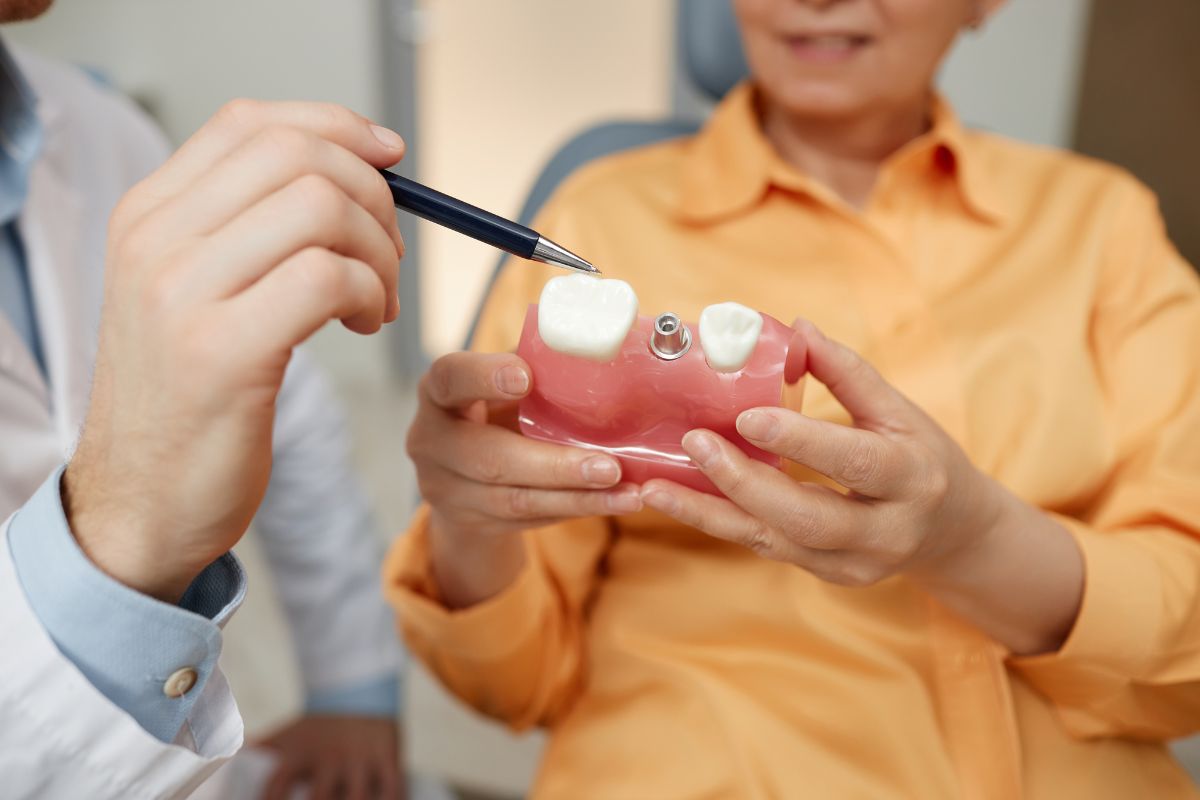
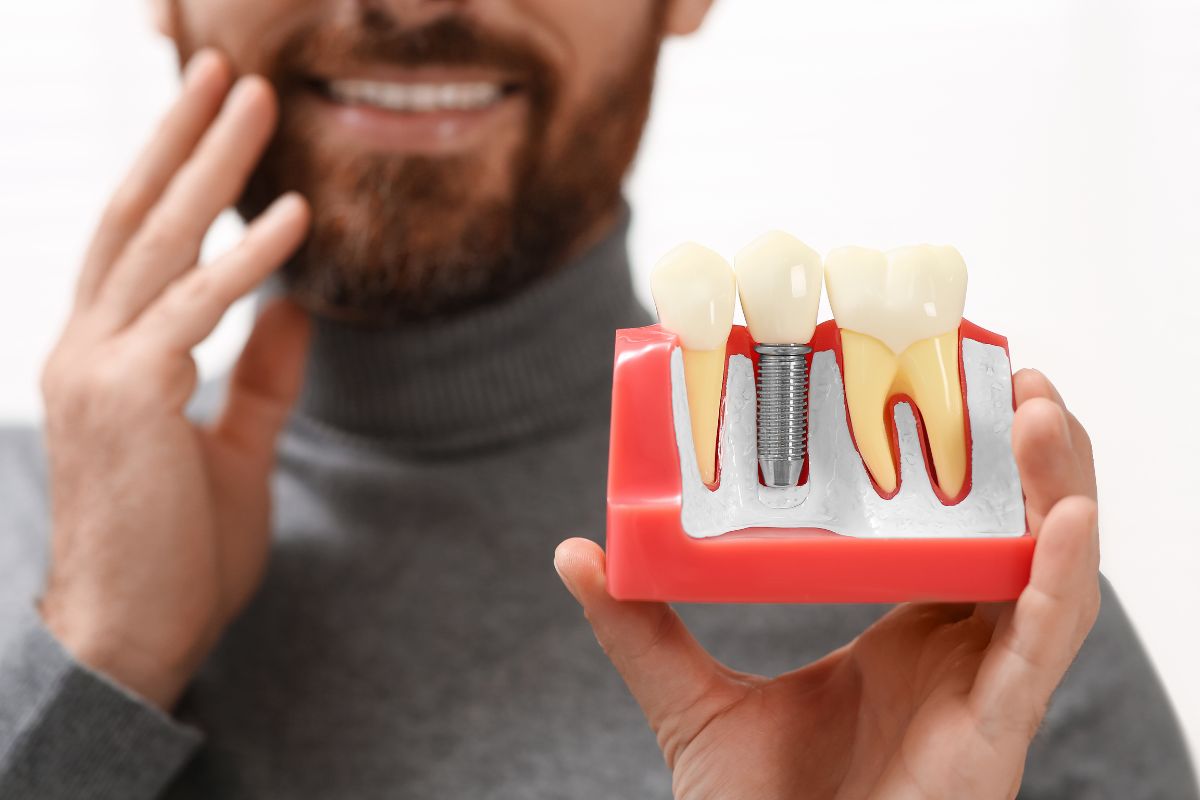
Implants are different from other dental treatments because they rely on something called osseointegration, the process by which your jawbone bonds with the implant.
This stage is critical because it:
- Creates long-term stability
- Allows normal chewing strength
- Prevents jawbone loss
- Supports long-lasting results
Healing isn’t just waiting; it’s active biological work happening beneath the gums.
What to Expect During the Healing Process After the Implant Treatment?
Understanding the timeline reduces uncertainty.
First 24–72 Hours: Initial Recovery
- This is when you may notice:
- Mild swelling
- Minor bleeding
- Tenderness around the area
- Slight fatigue
Cold compresses and soft foods usually help. Most people return to routine activities quickly.
Week 1–2: Early Healing
During this phase:
- Swelling begins to fade
- Gums start closing around the implant
- Discomfort significantly improves
Many patients are surprised that the area feels better sooner than expected.
Month 1–3: The Quiet Healing Phase
This is the part nobody talks about. Healing continues even when you feel normal.
Inside the jawbone:
- Bone cells grow around the implant
- Stability increases
- The foundation strengthens
You may forget the implant is even there, but your body is still working.
Final Stage: Preparing for the Restoration
Once healing is complete, your dentist places the final crown or restoration. This is when your smile truly comes together, natural-looking, functional, and strong.
Risks of Ignoring Healing Guidelines
Most issues related to this dental procedure do not happen during the surgery. It happens during recovery when instructions aren’t followed carefully.
Common risks include:
- Infection from poor hygiene
- Excess pressure from chewing hard foods
- Smoking-related healing delays
- Skipped follow-up appointments
Small mistakes can slow healing, which is why professional guidance matters so much.
Professional Guidance Makes Healing Easier
A successful recovery isn’t about guessing what feels right. It’s about having a clear plan tailored to your health, lifestyle, and smile goals.
At Forest Hills Family Dentistry, patients receive step-by-step guidance throughout each healing stage. Follow-ups help ensure the implant integrates properly and that you feel comfortable every step of the way.
A structured recovery plan often includes:
- Personalized aftercare instructions
- Monitoring healing progress
- Adjustments if needed
- Preventive support for long-term stability
Local Support You Can Trust in Cincinnati
Choosing a local dental team makes recovery simpler. Healing after implant treatment often includes check-ins and progress evaluations, and having support nearby reduces stress.
Patients across Cincy and the surrounding communities appreciate knowing that help is close at hand if questions arise during recovery. Whether your implant replaces one tooth or supports a larger restoration, consistent local care helps keep healing predictable and smooth. Call us today to schedule your consultation and experience trusted, local implant care designed for long-term success.
Ready for a Perfect Smile Restoration With Implants?
The healing phase after implants isn’t talked about enough, but it’s where success truly happens. When you understand what’s normal and have professional guidance, recovery becomes much less intimidating.
If you’re considering dental implants in Cincinnati and want to know more about what healing really looks like, schedule a consultation with Forest Hills Family Dentistry. Knowing what to expect can replace fear with confidence and help you heal smoothly. Schedule a consultation with our implant specialist today!
Frequently Asked Questions (FAQs)
1. How long does it take to heal after dental implants?
Initial healing typically lasts a few weeks, during which the affected area begins to recover and stabilize. Complete bone integration, however, can take several months, influenced by individual health and healing factors.
2. Is pain normal after implant placement?
Mild discomfort and swelling are typical during the initial days after the procedure. These symptoms generally subside quickly, leading to improved comfort and recovery.
3. What foods should I avoid during implant healing?
To protect the implant site during the initial healing process, it is important to avoid consuming hard, crunchy, or sticky foods. These types of foods can interfere with healing and should be temporarily avoided.
4. Can I return to work after implant surgery?
Most patients typically resume normal activities within one to two days, although the exact timing depends on individual comfort levels. While some may take a bit longer, others can recover more quickly.
5. How do I know if my implant is healing properly?
Scheduling regular follow-up appointments is essential for monitoring the healing process and ensuring the stability of the patient’s condition. These visits allow implant specialists to assess progress and make any necessary adjustments to treatment.
6. What happens if I ignore aftercare instructions?
Poor healing habits can significantly raise the likelihood of complications and slow down the integration process. Adopting proper habits is essential to ensure better recovery outcomes.
7. Are dental implants safe long-term?
With proper care and maintenance, dental implants can last for many years, providing reliable and effective results. Maintaining good oral hygiene is essential to ensure their longevity and performance.